


Shipped within 48hYour bike is prepared and handed to the carrier quickly.
In stock
Shipped within 48h
Tracked delivery across Europe
The first road bike for kids.
The passion starts here.
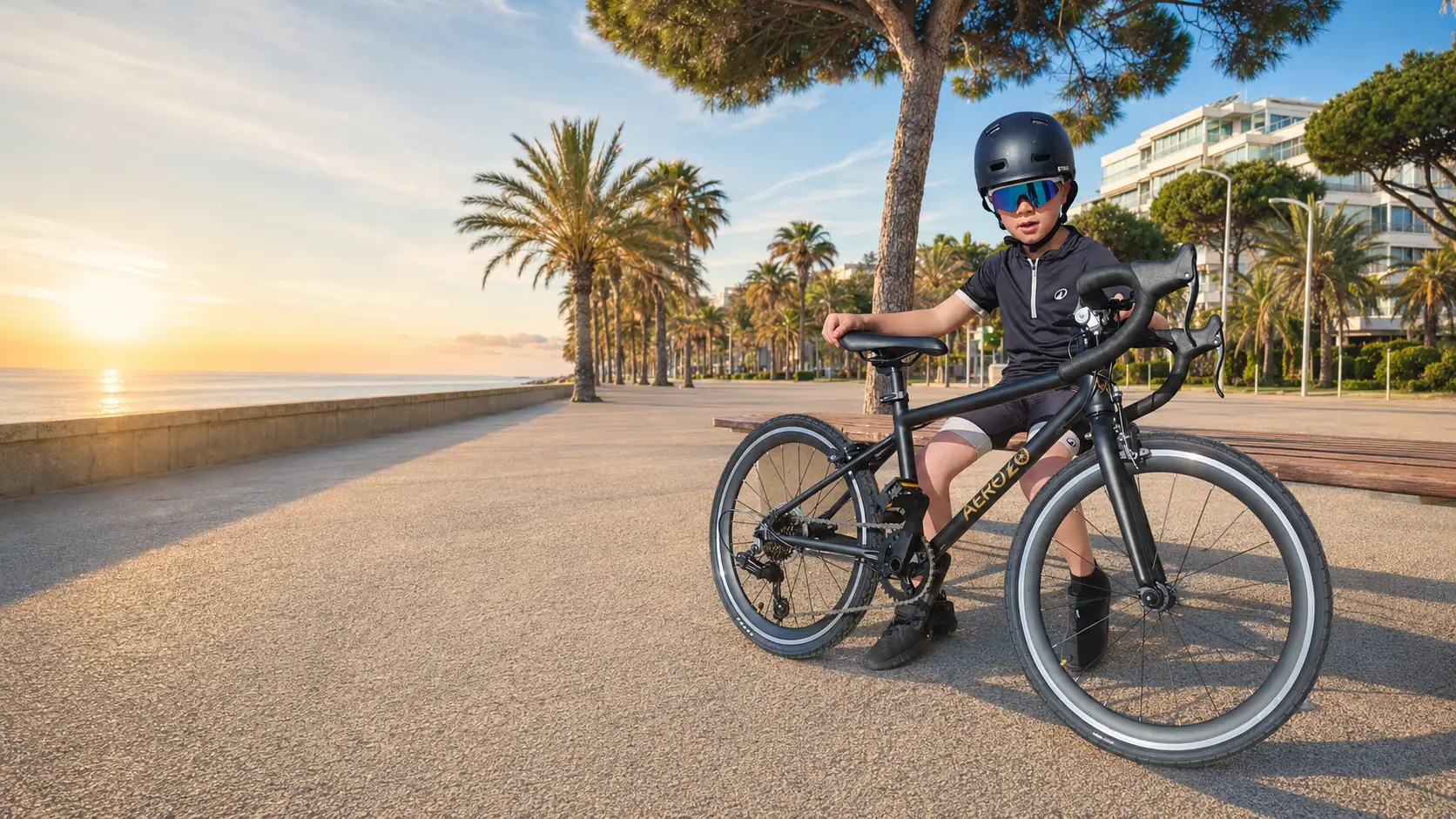
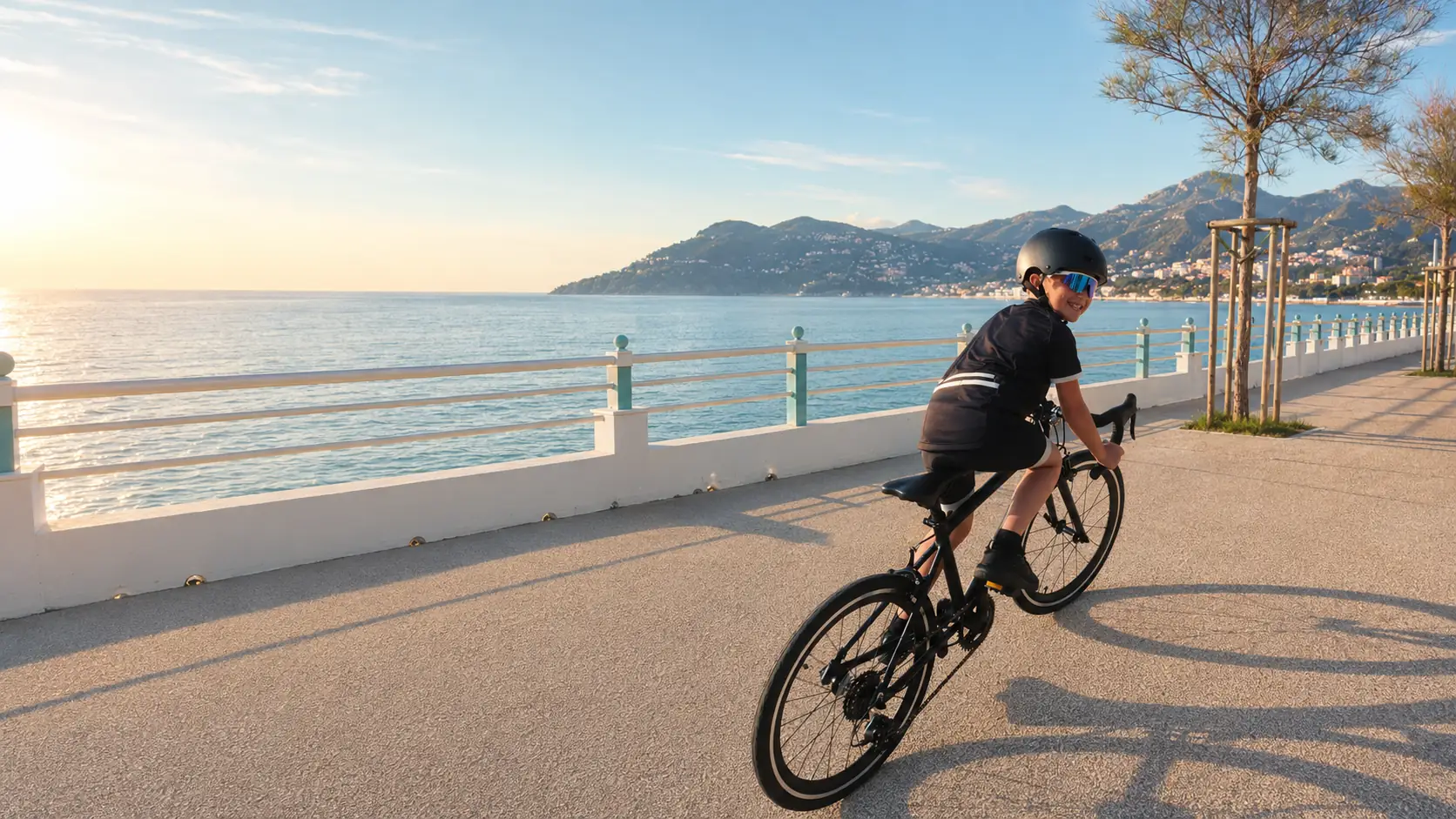
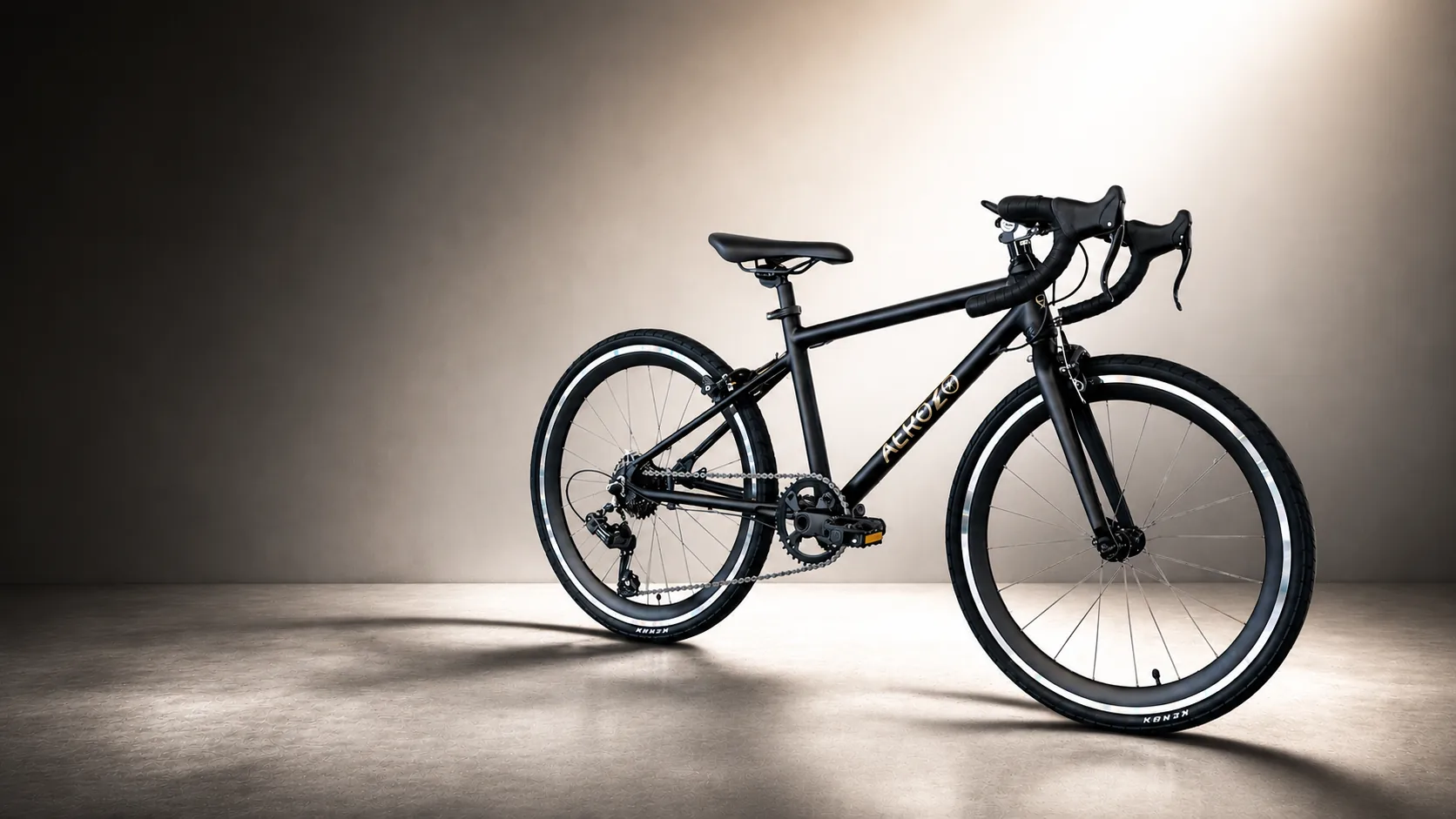
Road geometry, lightweight components, tailored fit: everything you need for a real kids' race bike, from 6 to 9 years old.
European deliveryAEROZO delivers to young riders all across Europe.
14 days to change your mindOrder with confidence, in line with our return policy.
Support based in EuropeA team on hand, with standard parts that are easy to service.
20-inch451 performance wheels
Road geometrySporty and safe position
LightweightOnly 8.3 kg
Dual brakingSafety and control at all times
Adapted gearingDrivetrain designed for children
Built to lastReliable, durable components
As seen in the press
 VéloShop
« The most precious gain of a light bike is the freedom to progress. »
Read the article →
VéloShop
« The most precious gain of a light bike is the freedom to progress. »
Read the article →
 Marque et Communication
« Every detail is designed so the child can feel the adrenaline and the passion. »
Read the article →
Marque et Communication
« Every detail is designed so the child can feel the adrenaline and the passion. »
Read the article →
It started with a call, a month earlier: a grandmother was looking for an AEROZO bike for her grandson, but we didn't have one available right away. In July, the family — visiting from Belgium on holiday — was passing through Cannes. We met at their hotel so the boy could finally try it.
The moment he got on, he didn't want to stop. The grandfather and father have been club cyclists their whole lives; the boy watches the Tour de France with his dad and dreamed of a bike « like his ». That day, between two laps of a hotel car park, we watched a real passion take shape.
This meeting sums up exactly why this project exists: passing on to the next generation the passion and family values around cycling that already unite three generations in this family.
« It's a really beautiful bike. »— The grandfather
« It's so beautiful, it's so beautiful! »— The boy
« I searched everywhere to see if the brand really existed. The day we saw it in person, I understood why there wasn't much online — they've only just started. »— The mum
Behind the scenes at AEROZO
This is what we’re building. Want to be part of it?
The
First one.
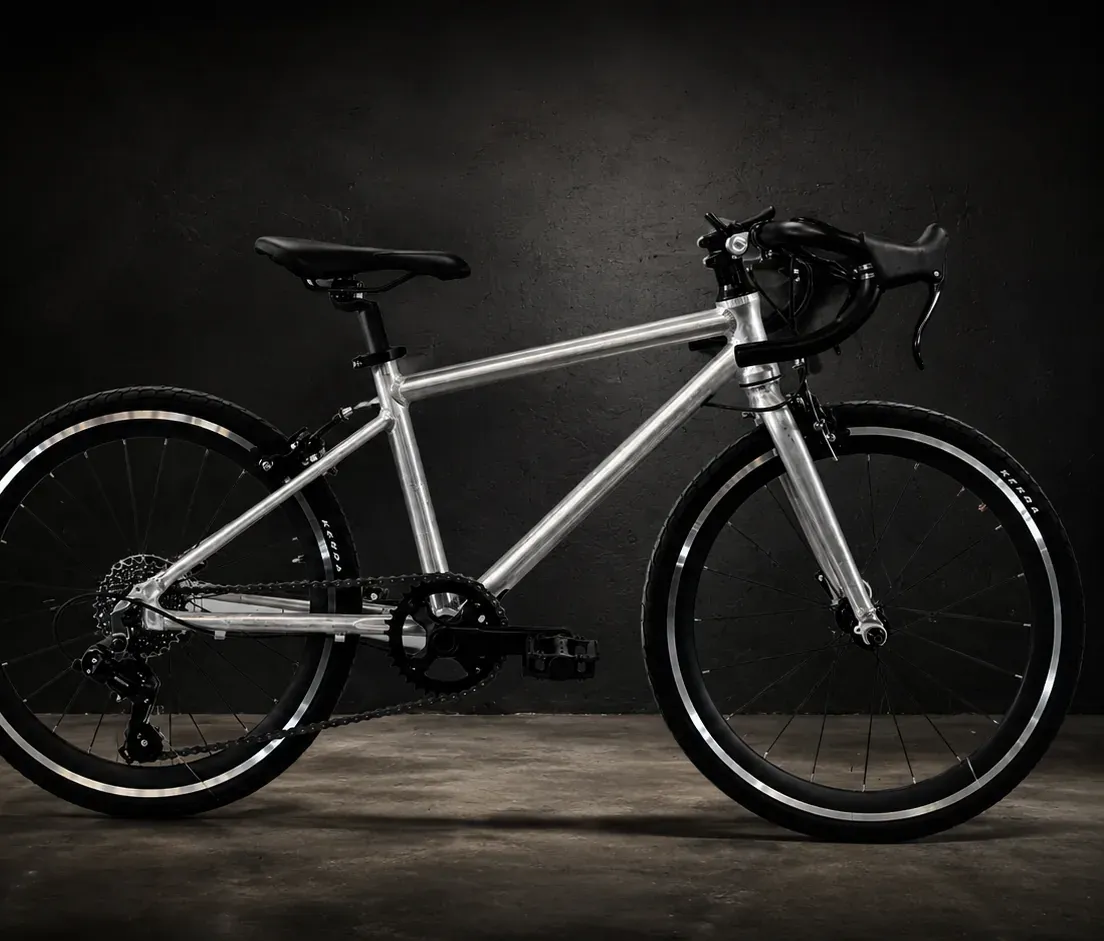
The very first prototype ever assembled in AEROZO's history.
Where the idea became reality.
Light. Strong. Precise.
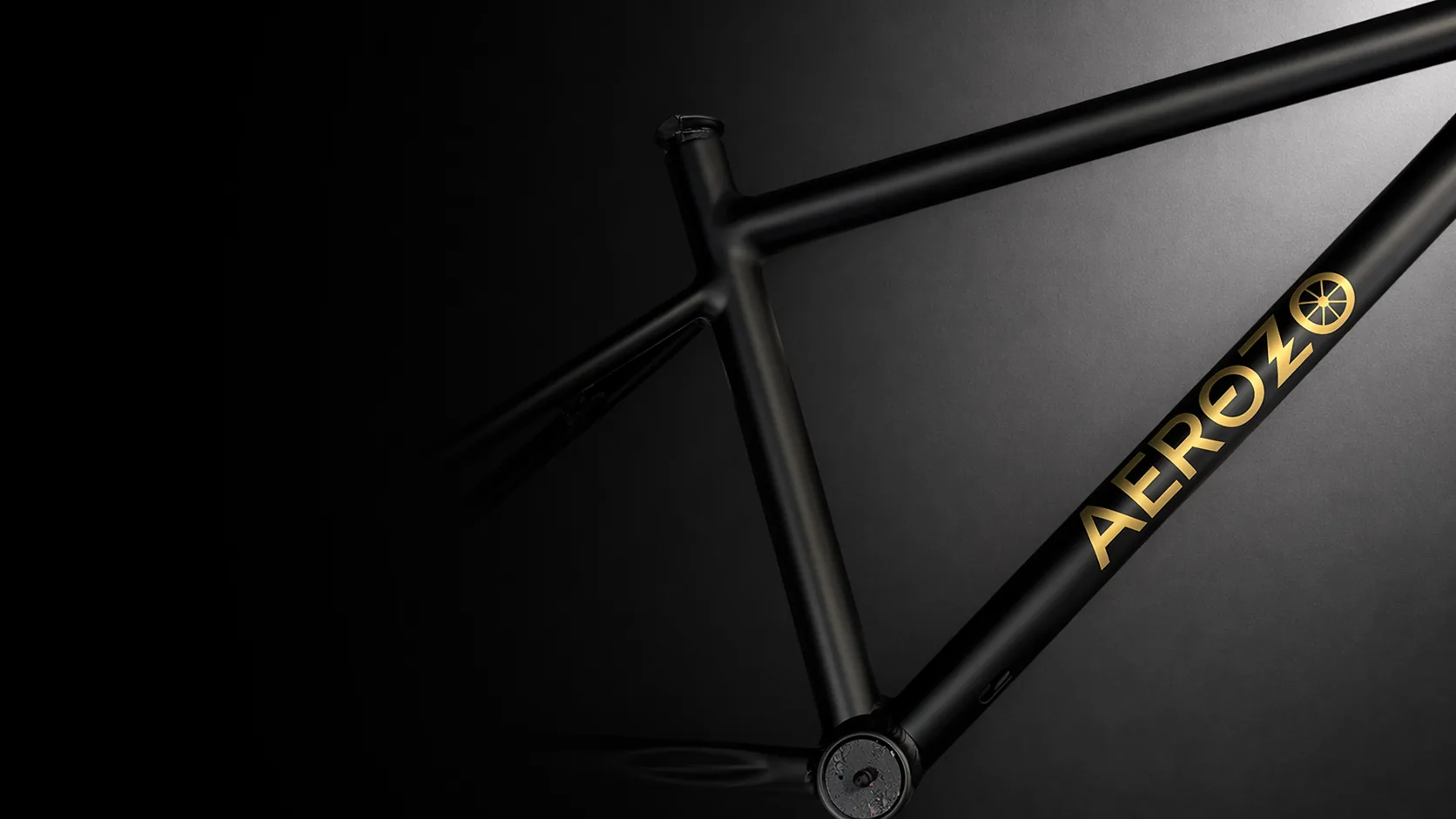
The standard starts with the frame.
Every gram counts. Never at the expense of strength or finish.
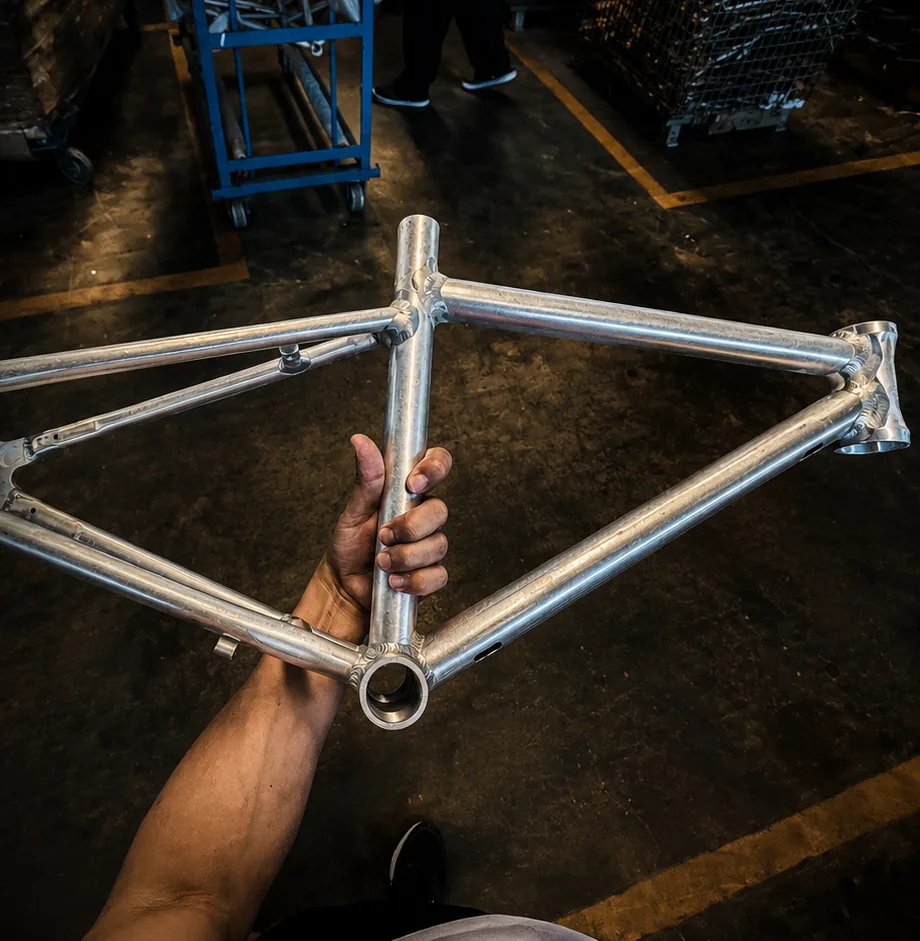
The material,
where it matters.
Double-butted aluminium tubes: reinforced at stress points,
thinned at the centre to cut weight without compromising strength.
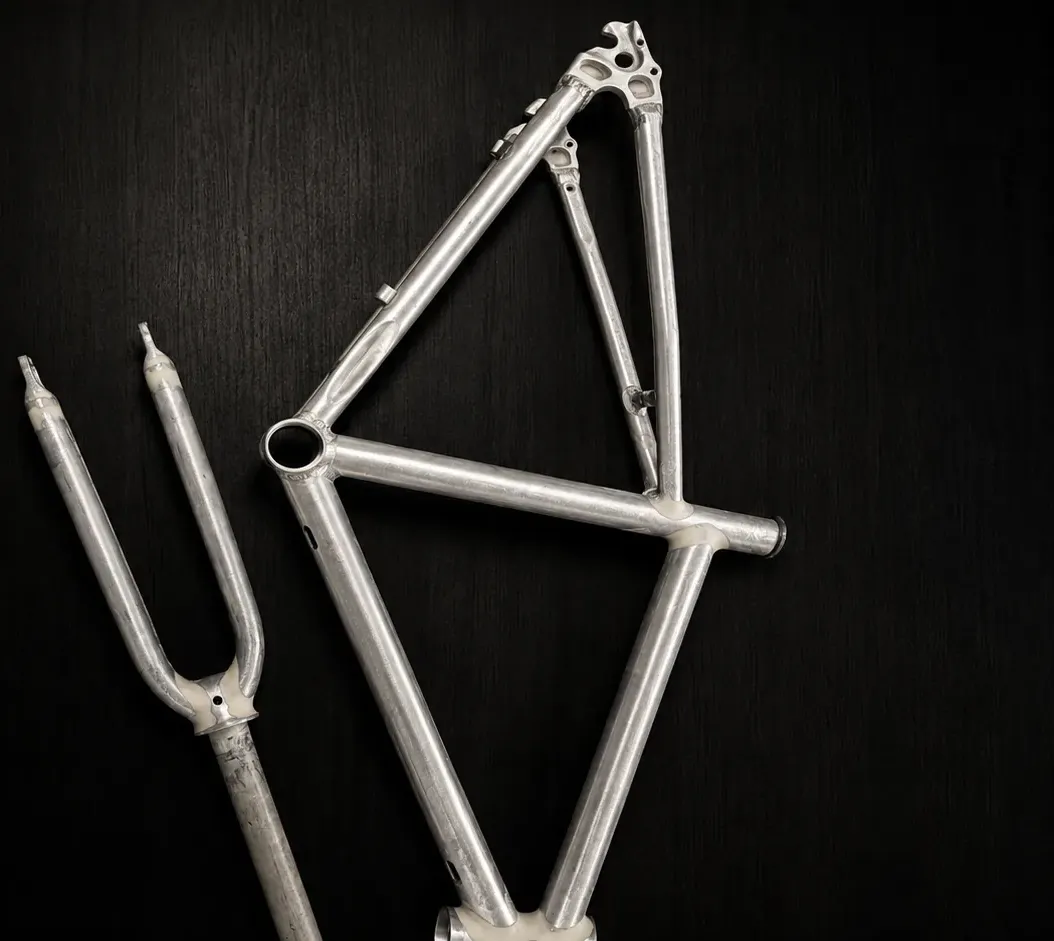
The right posture
starts with the
right dimensions.
A geometry built to the child's scale.
Every dimension is engineered for a natural, stable position suited to riding a true road bike.
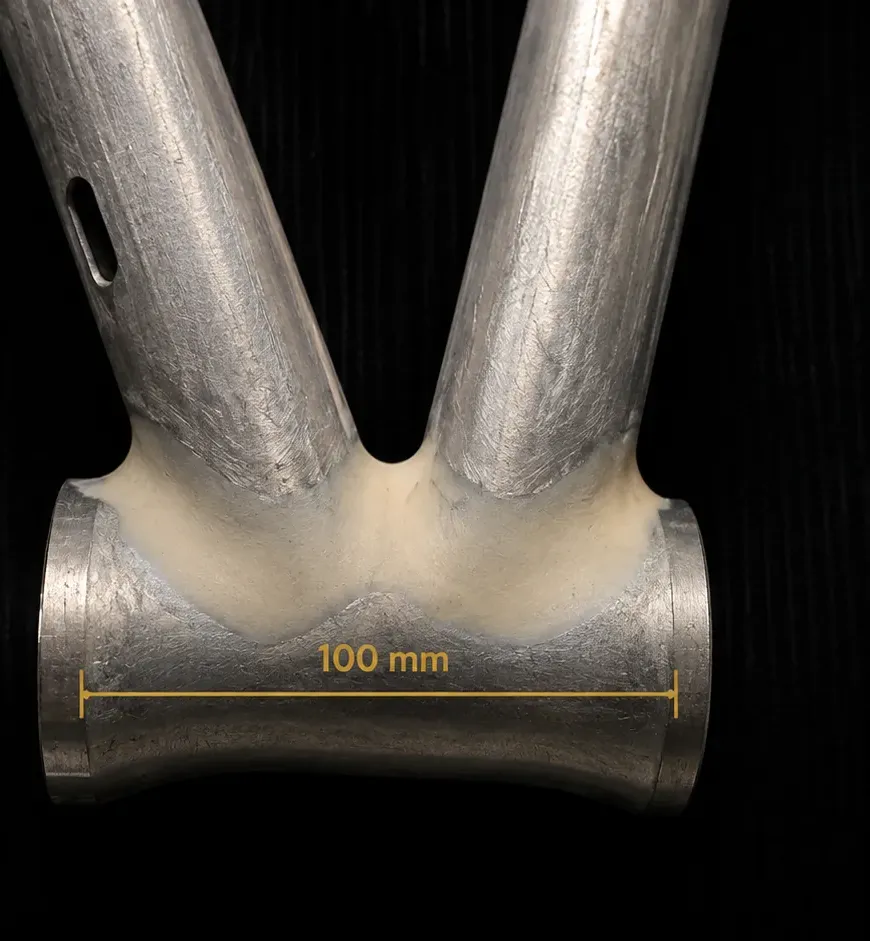
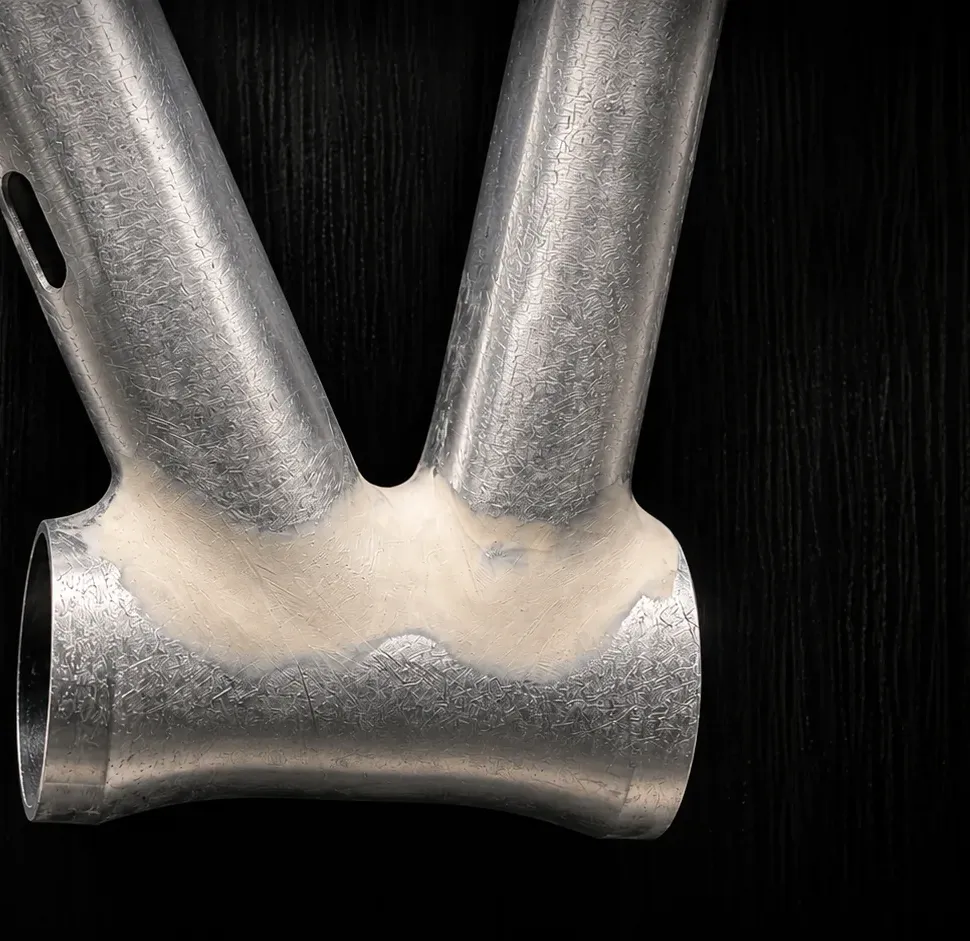
Every joint
matters.
Hand-filled and finished joints for continuous lines and a seamless surface before painting.
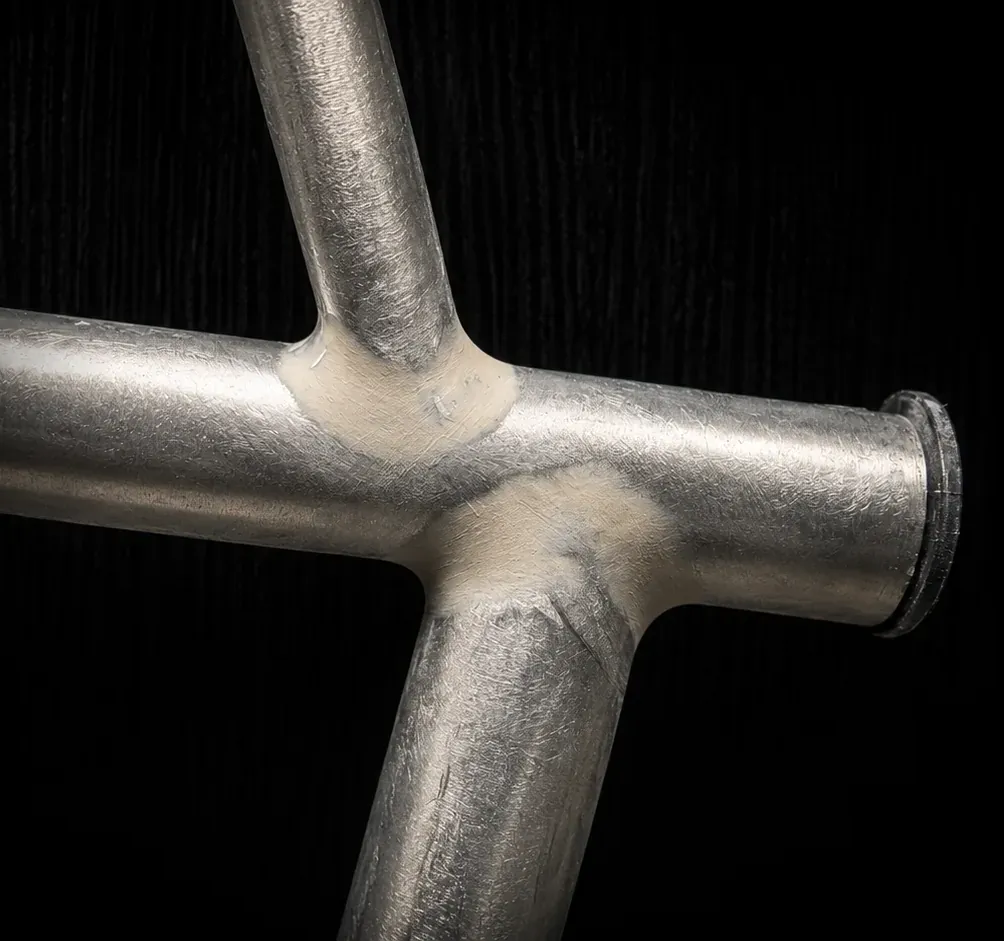
Precision
to the millimetre
Stiffness. Alignment. Reliability.
A rear dropout precisely assembled to guarantee stiffness and alignment.
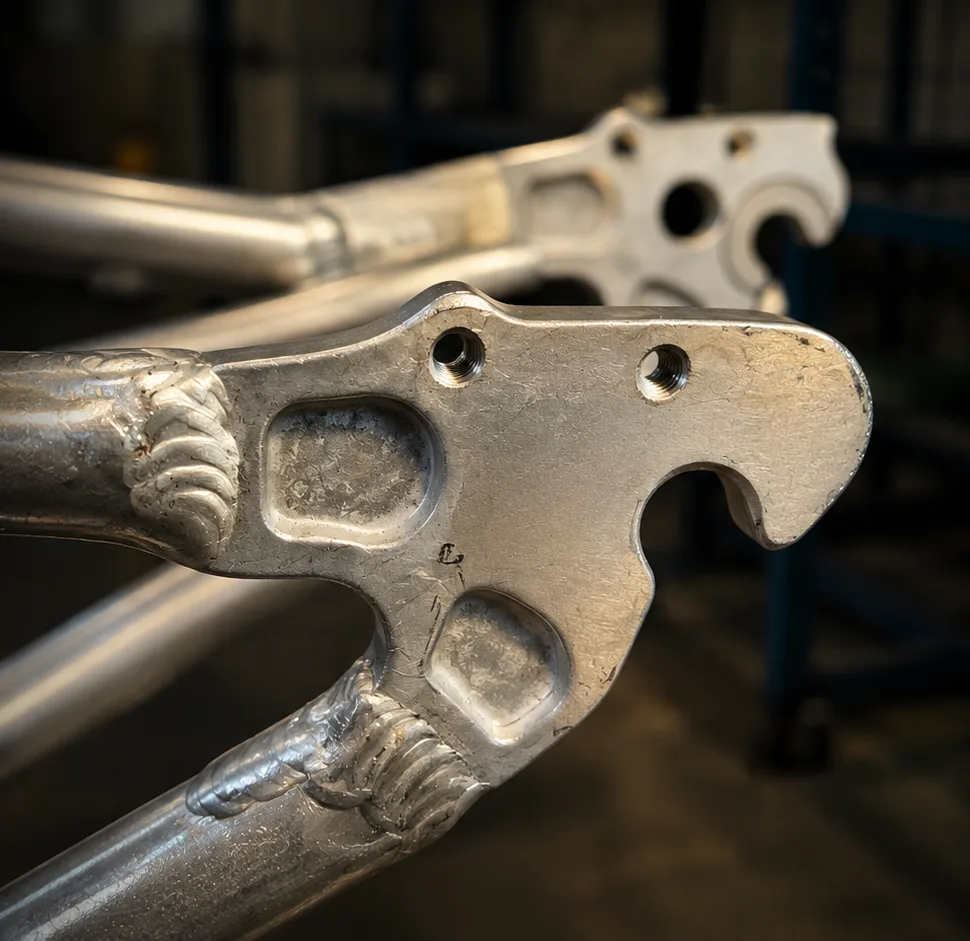
The same standard.
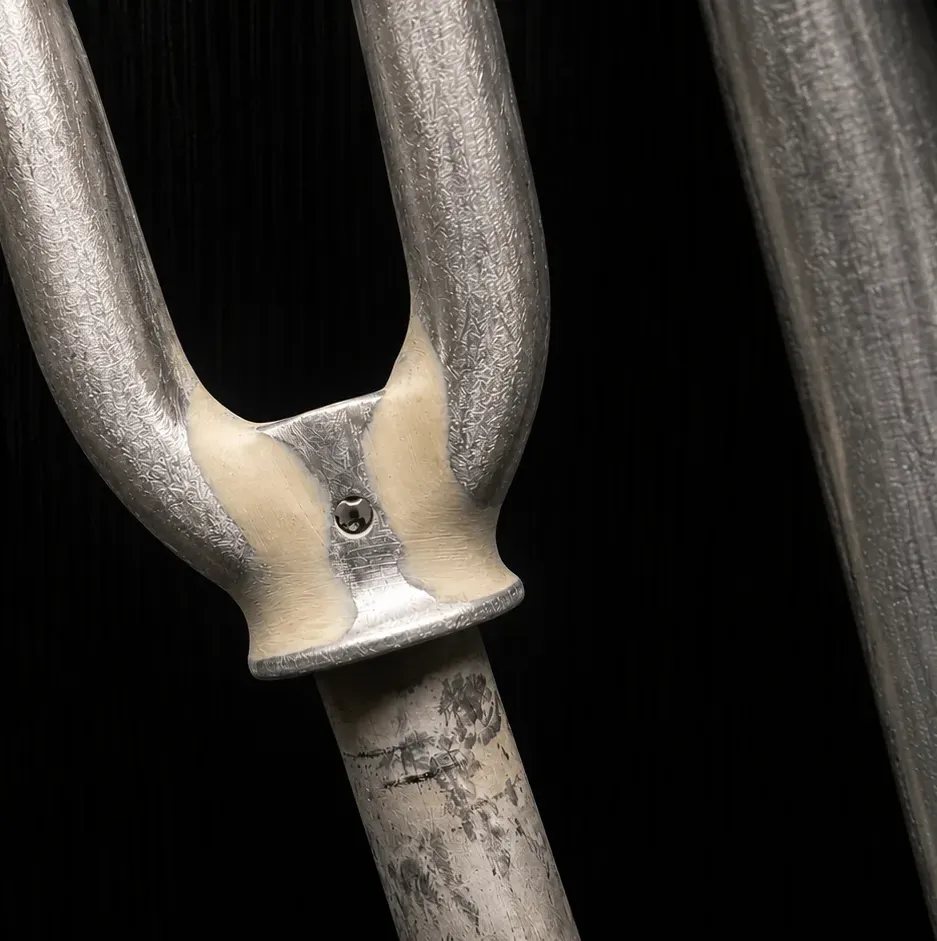
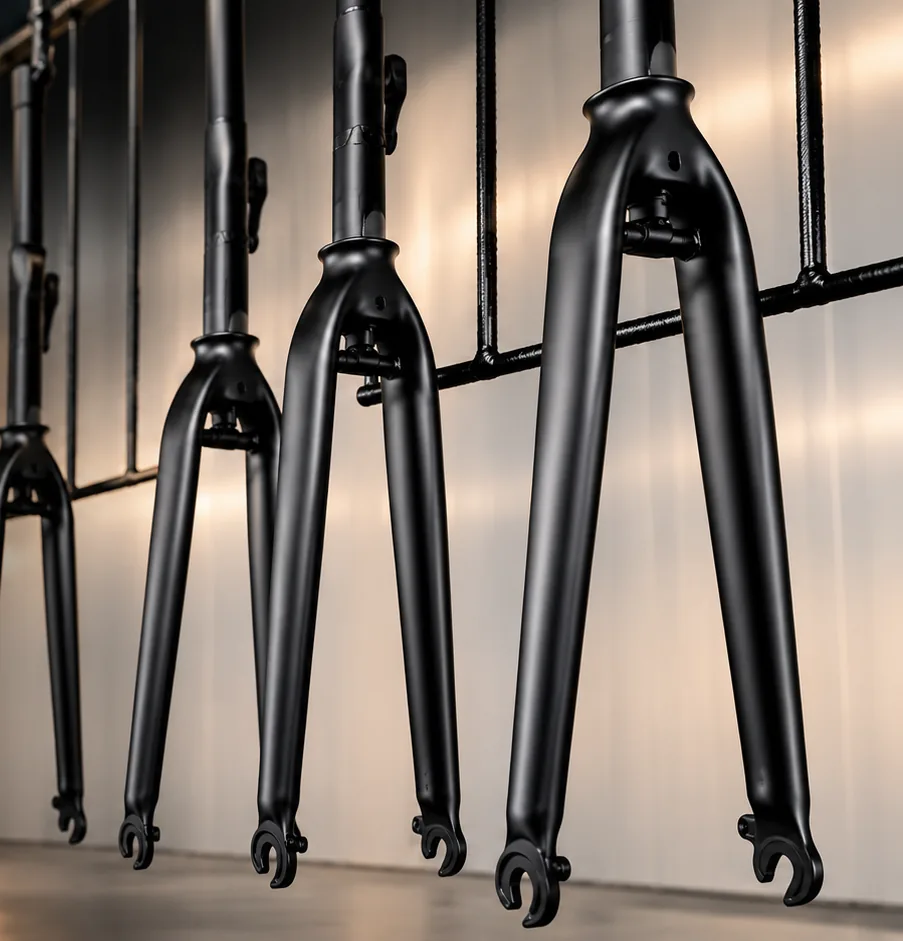
Down to the fork.
Hand-filled joints for a seamless, perfectly smooth finish before painting.
Weight
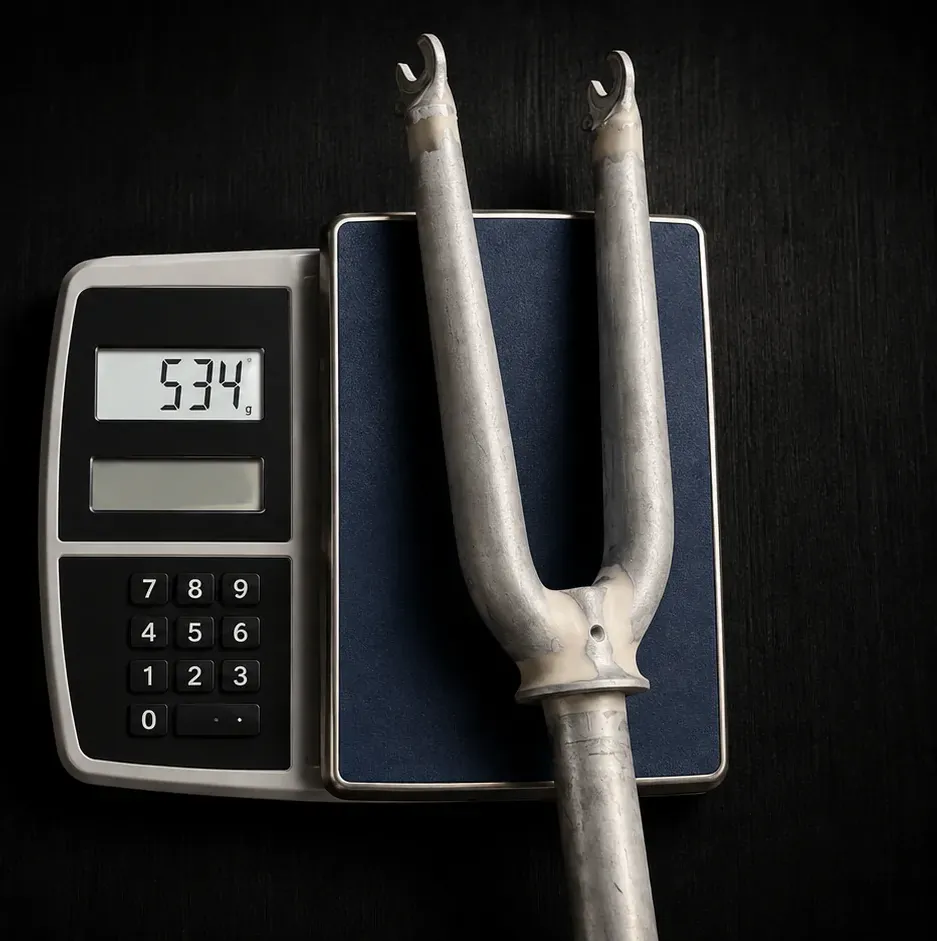
isn't a detail.
A fork weighing just 534 g.
Because on a junior bike, shaving weight off every part means every pedal stroke feels easier.
Strength
starts here
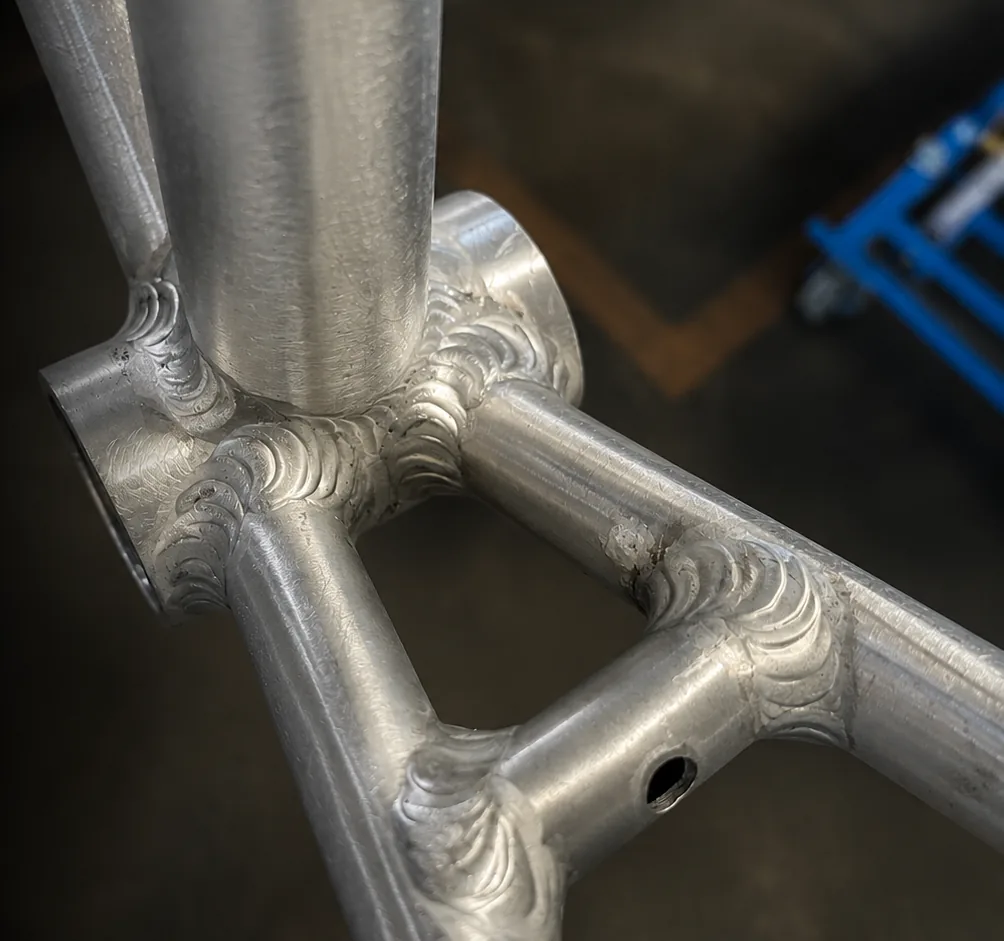
Welded. Checked. Reliable.
Every weld is made with precision, then checked to guarantee strength you can rely on.
✦Reinforced welds
✦Systematic checks
✦Lasting strength
Finishing
starts by hand.
Hand-filling the joints to prepare a perfectly smooth surface before painting.
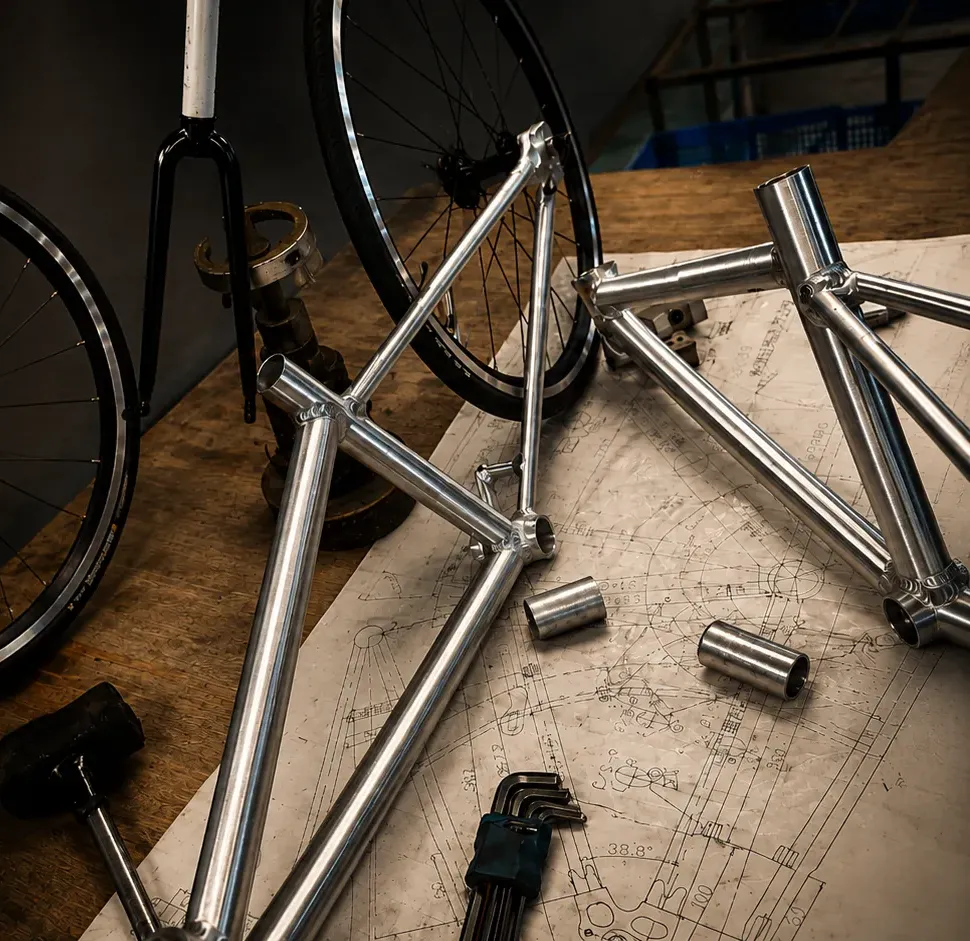
Checked.
Measured.
Validated.
Before going further, every detail counts.
Geometry, alignment, assembly and mounting points are checked to validate the frame before the next steps.
✦Geometry
✦Alignment
✦Assembly
✦Validation
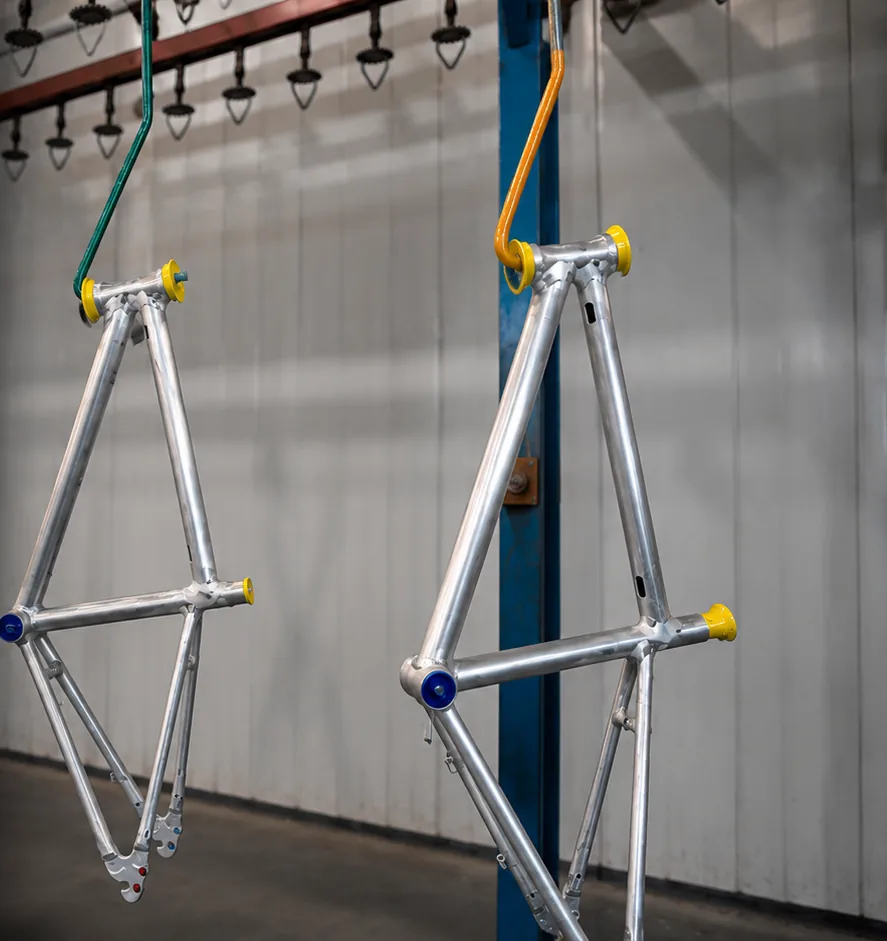
Nothing
gets past us
Cleaned. Checked. Validated.
Before painting, every frame is cleaned and checked to guarantee a flawless finish.
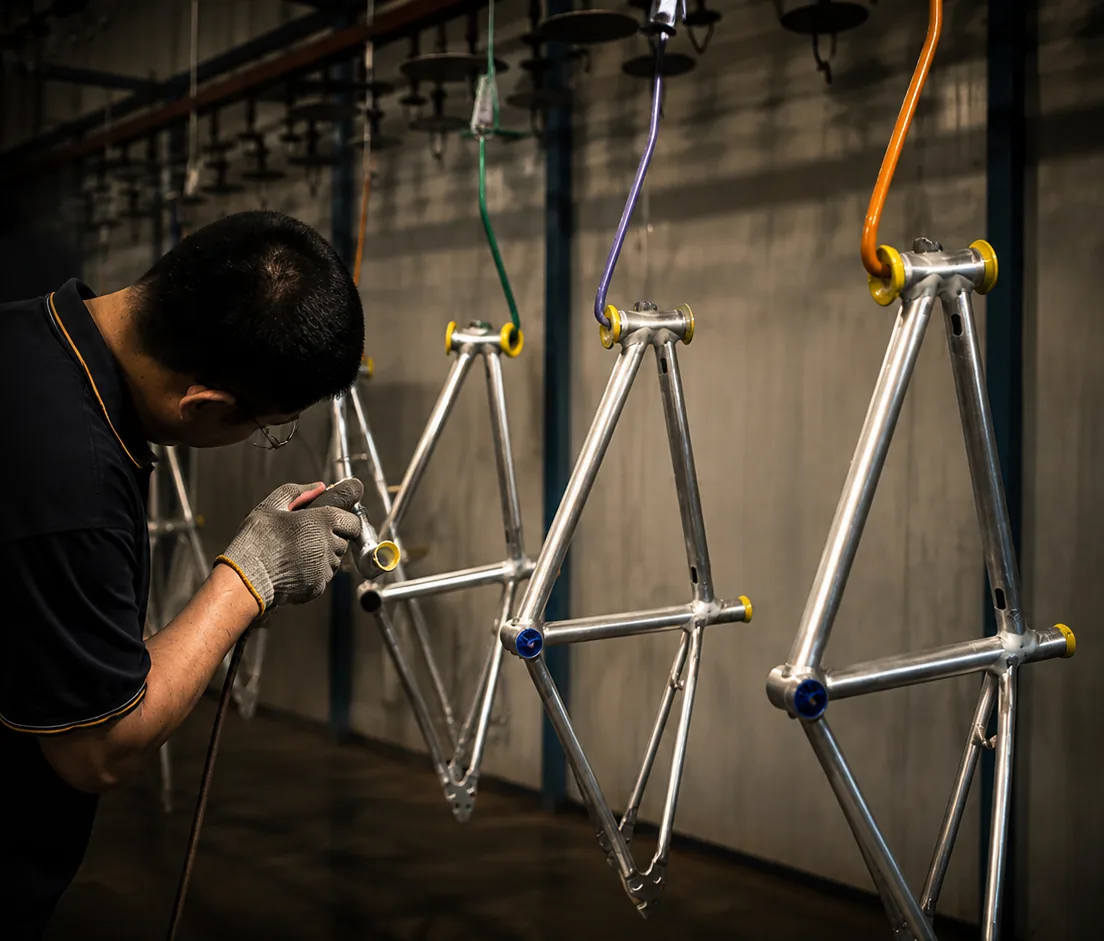
Checked
by hand
Before every finish
Every frame is inspected and hand-prepared before moving on to paint.
Every frame counts
Protected from the start
Even before painting, every frame is protected to preserve its integrity.
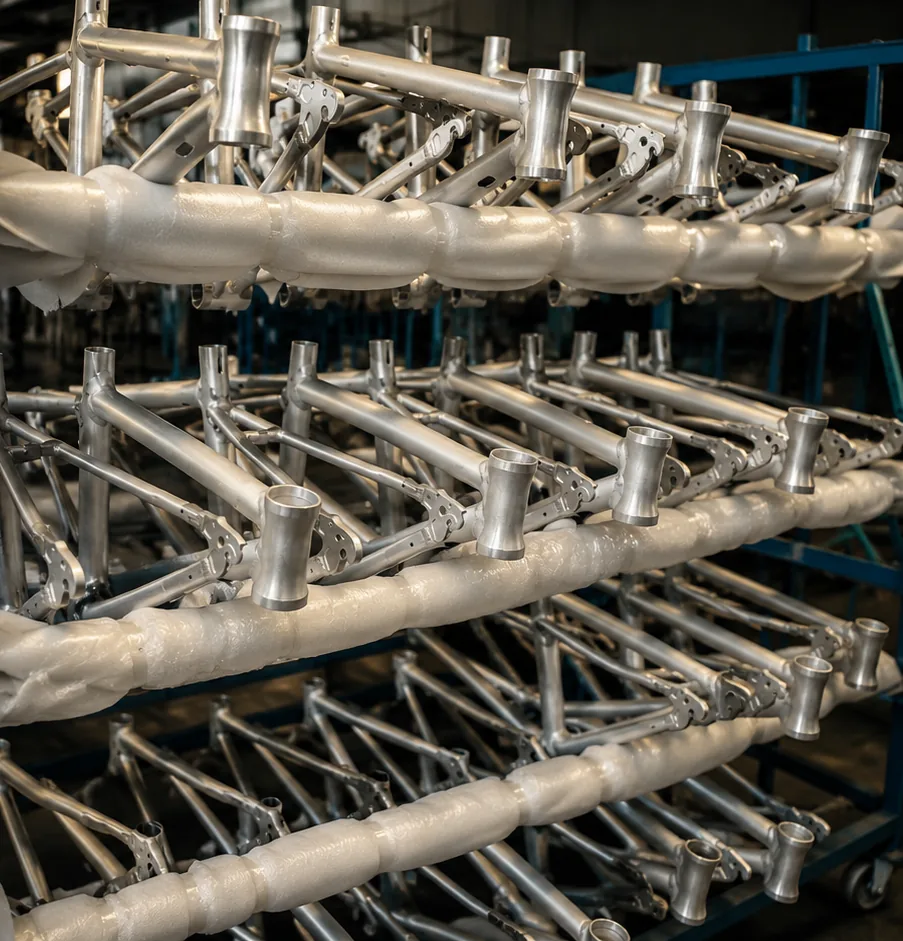
From prototype
to series.
The real challenge starts here: reproducing the same precision, the same level of finish, and the same standards on every single part.
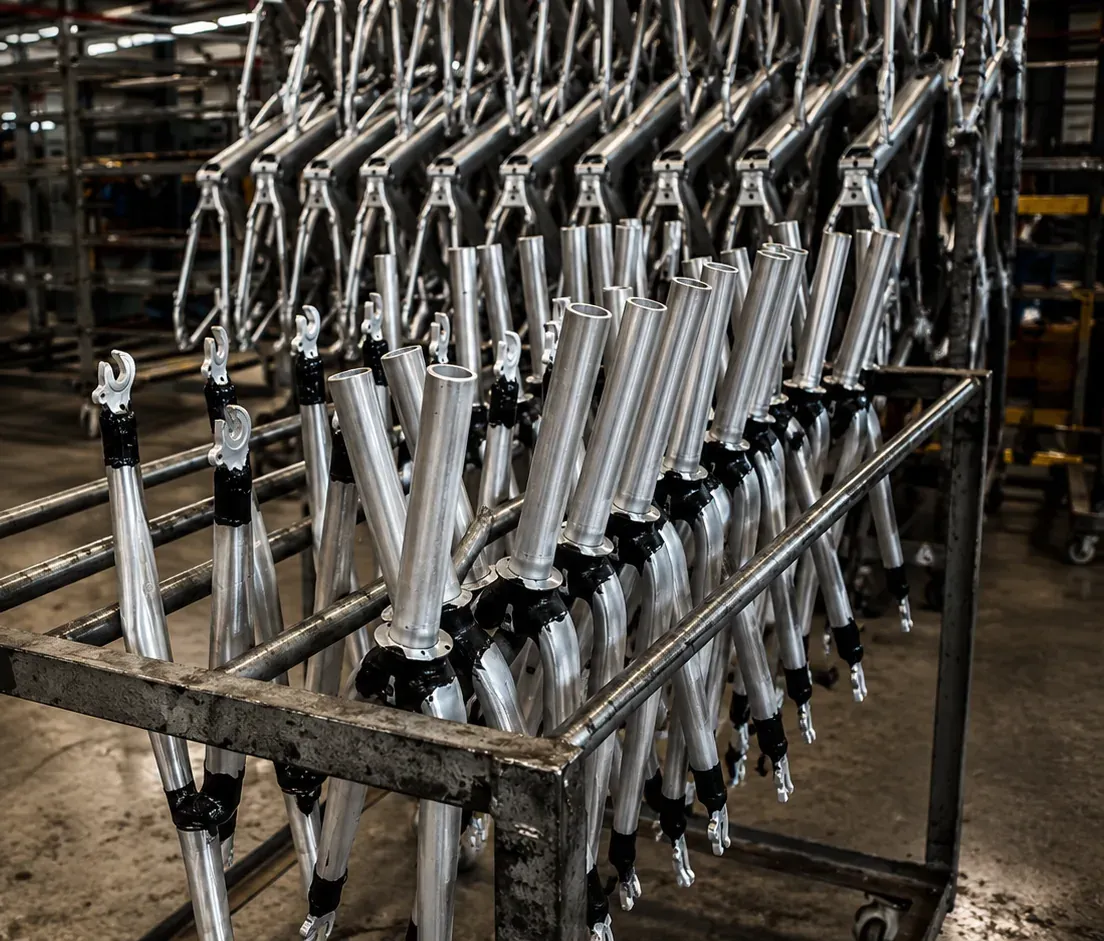
Precision.
At scale.
A prototype can be perfect once.
The industrial challenge is reproducing that precision on every frame.
✦Geometry
✦Alignment
✦Repeatability
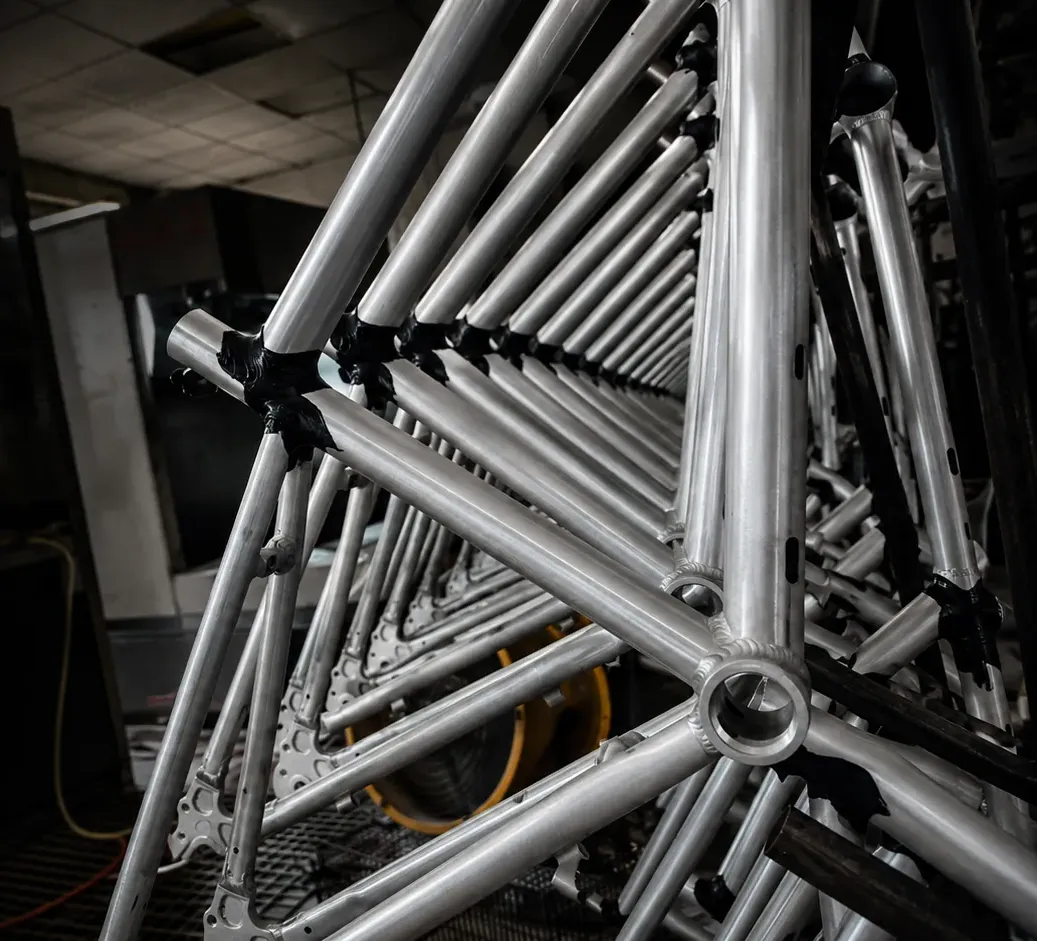
Premium
at scale
Same standard. Every frame.
The same level of finish, reproduced with discipline on every AEROZO frame.
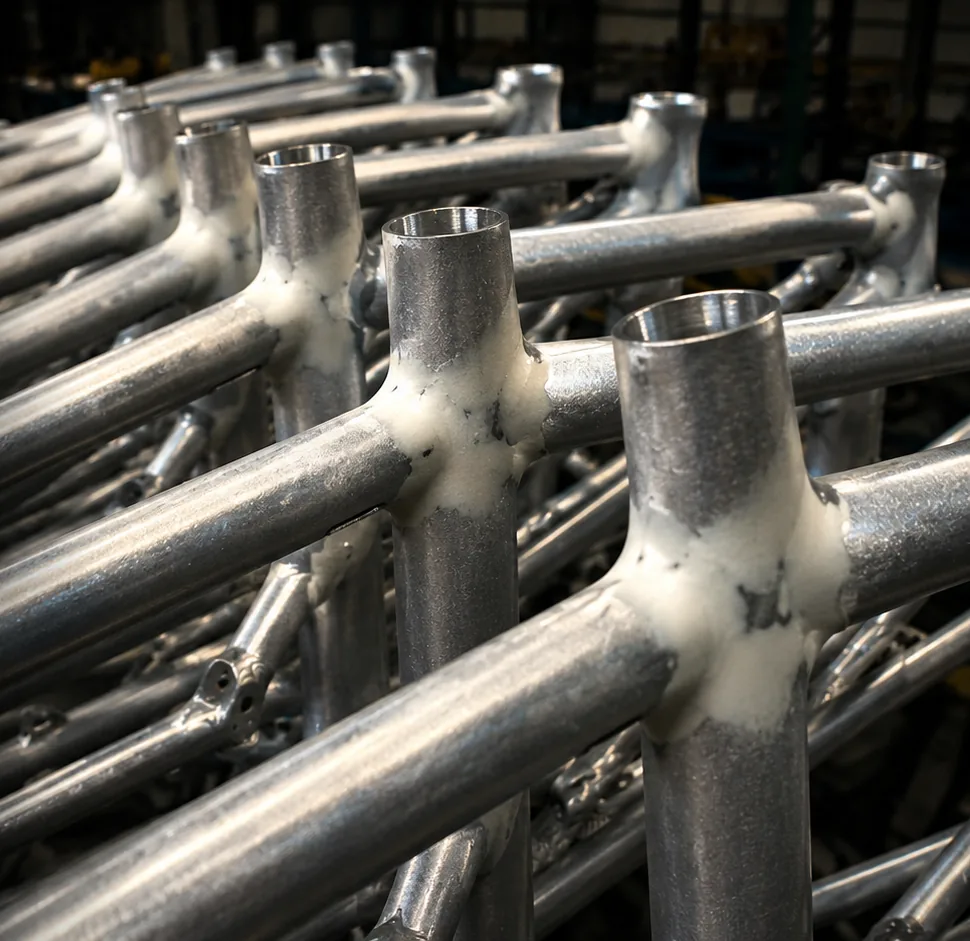
The signature
takes shape.
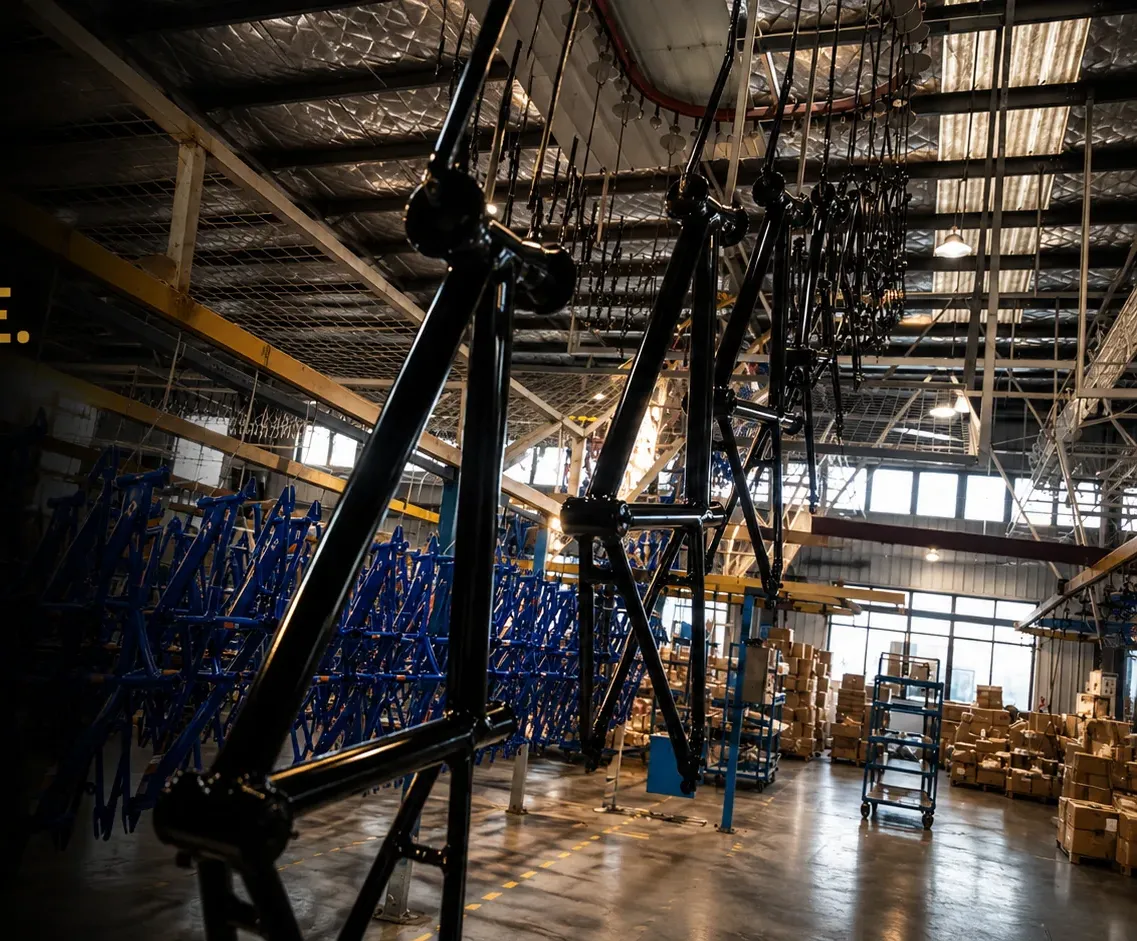
Hung before finishing, the frames enter one of the final steps of transformation.
AEROZO black moves in.
A finish inspired by the codes of competition road bikes.
✦Finish
✦Protection
✦Standard
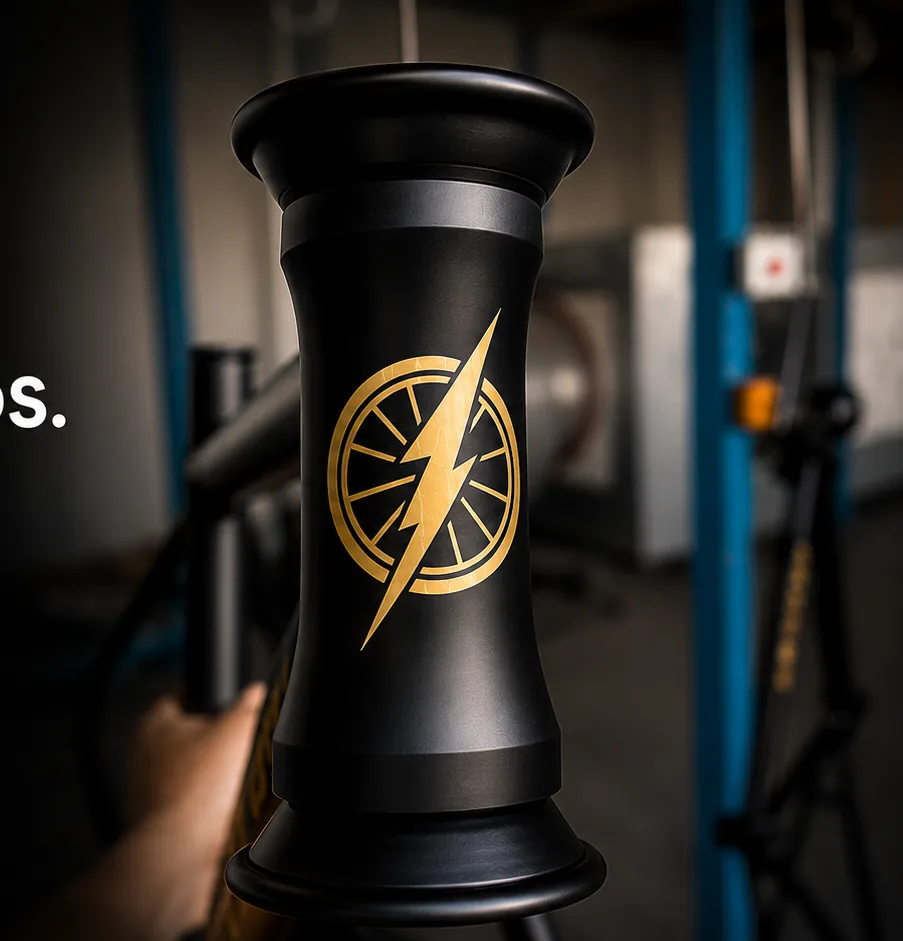
Matte black.
AEROZO gold.
After the frame is prepped comes the finish.
A matte black inspired by the codes of professional cycling, paired with the AEROZO gold signature.
The prototype makes way for the bike we had imagined.
✦Finition
✦Identité
✦Signature
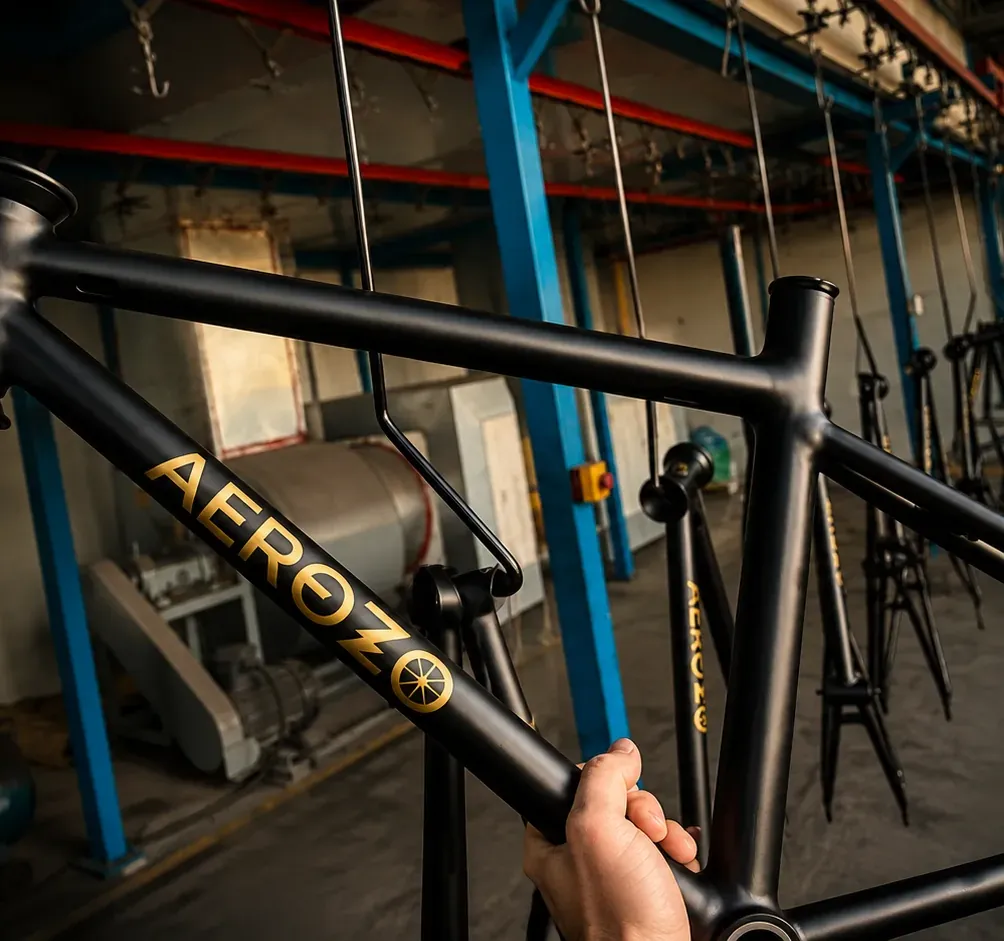
Pro codes.
From the first bike.
A matte black inspired by competition machines, so young riders get the same codes as their champions' bikes.
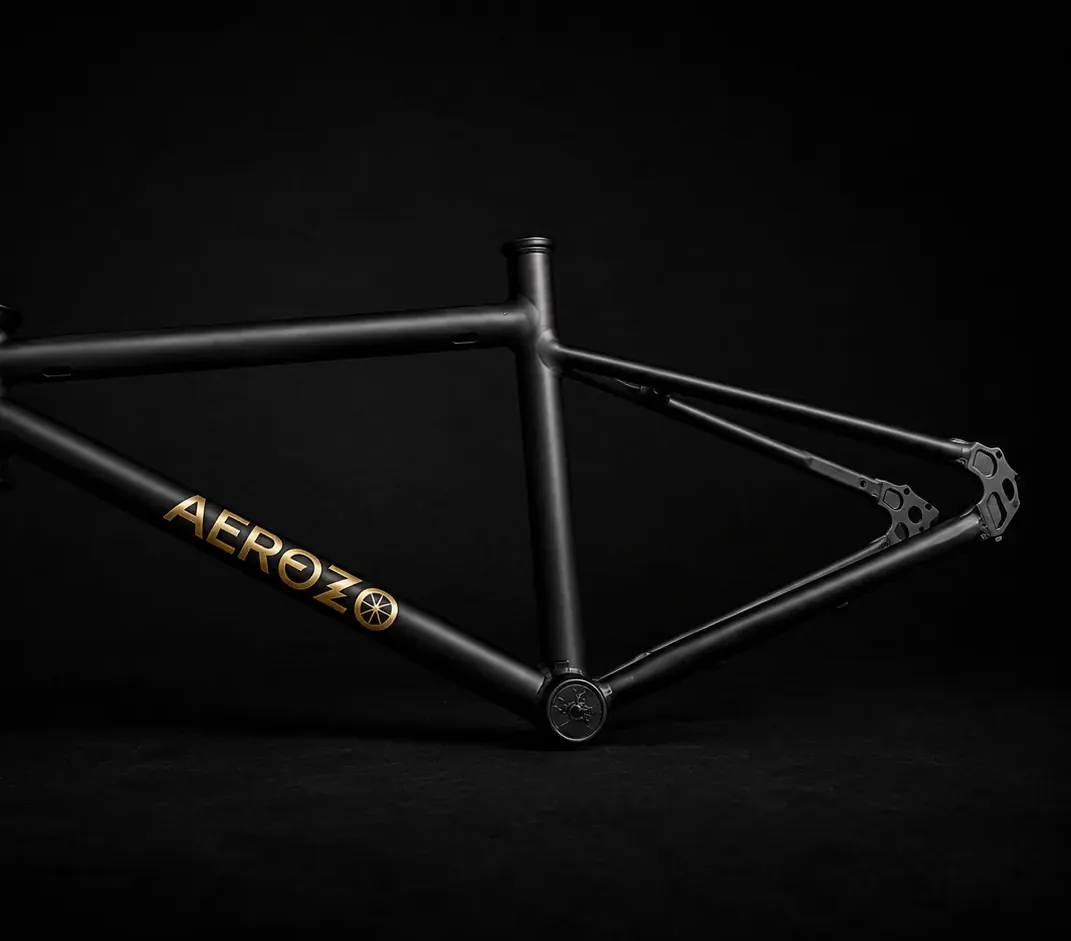
The AEROZO identity
Black. Gold. AEROZO.
Two colours. A signature that's instantly recognisable.
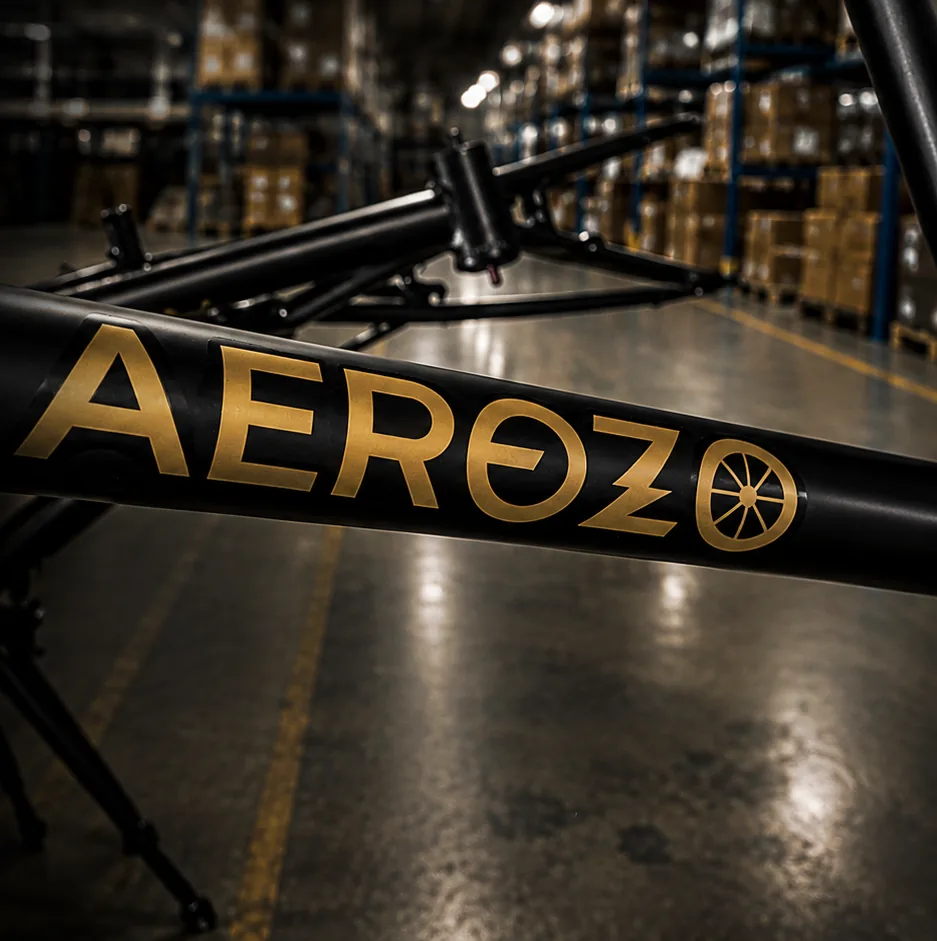
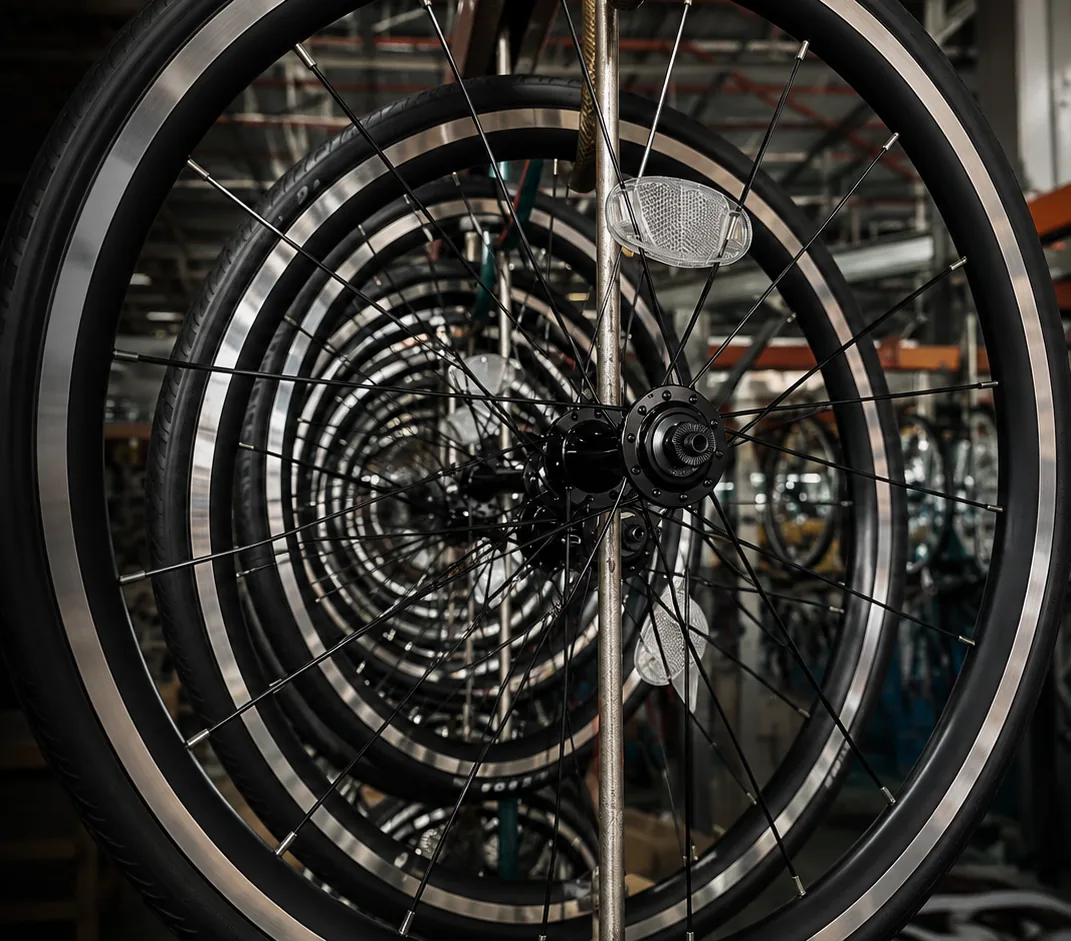
Light. Fast.
Signature.
Cutting weight without sacrificing performance.
Finding the right balance between inertia, stiffness and look to build a wheel designed for young riders.
✦Weight
✦Efficiency
✦Look
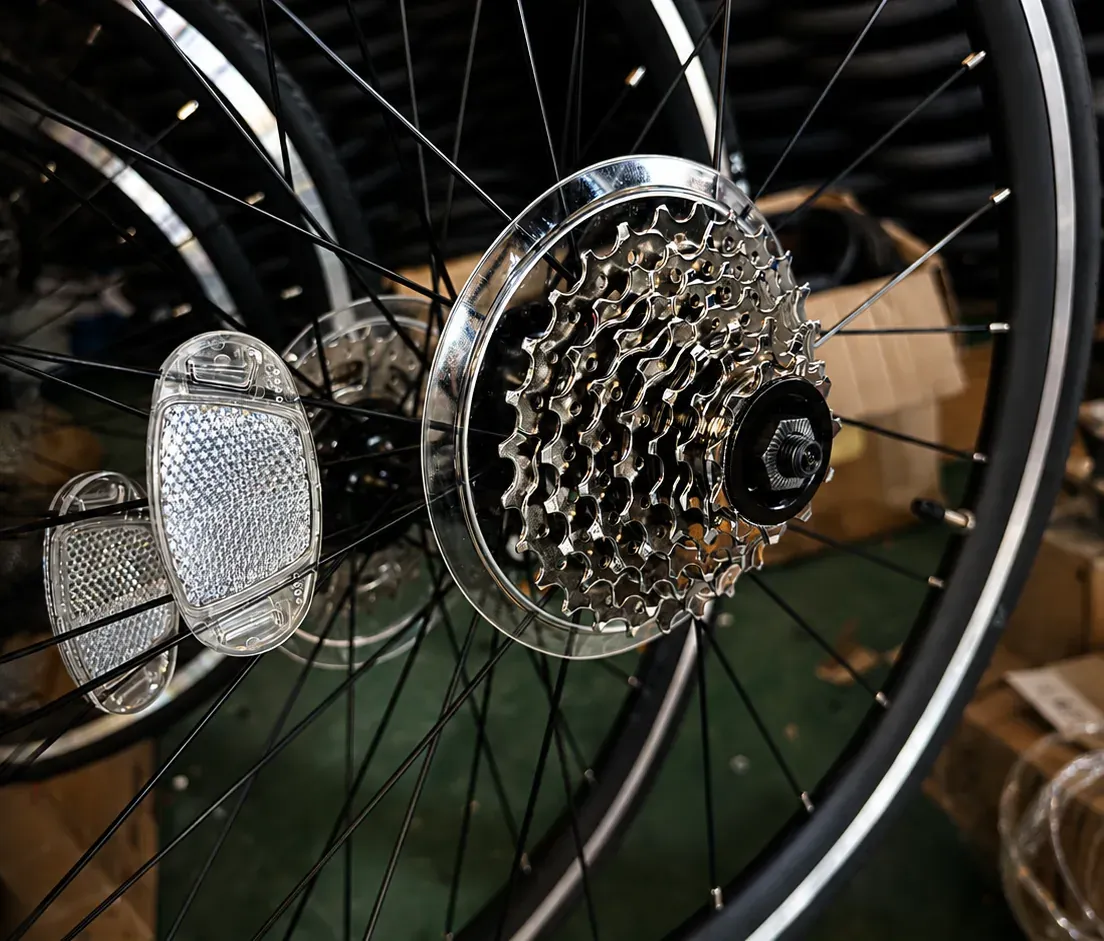
The detail
makes the look
Black. Understated. AEROZO.
Black rim and spokes: visual consistency thought through down to the smallest detail.
One
continuous line
Designed with the frame
A fork with a premium finish, designed to naturally extend the frame's lines.
Like the pros.
Signed AEROZO.
A true road finish, designed to the scale of young riders.
451 tyres
High performance
Precision. Efficiency. Speed.
A slim 451 profile, designed for efficiency and road performance.
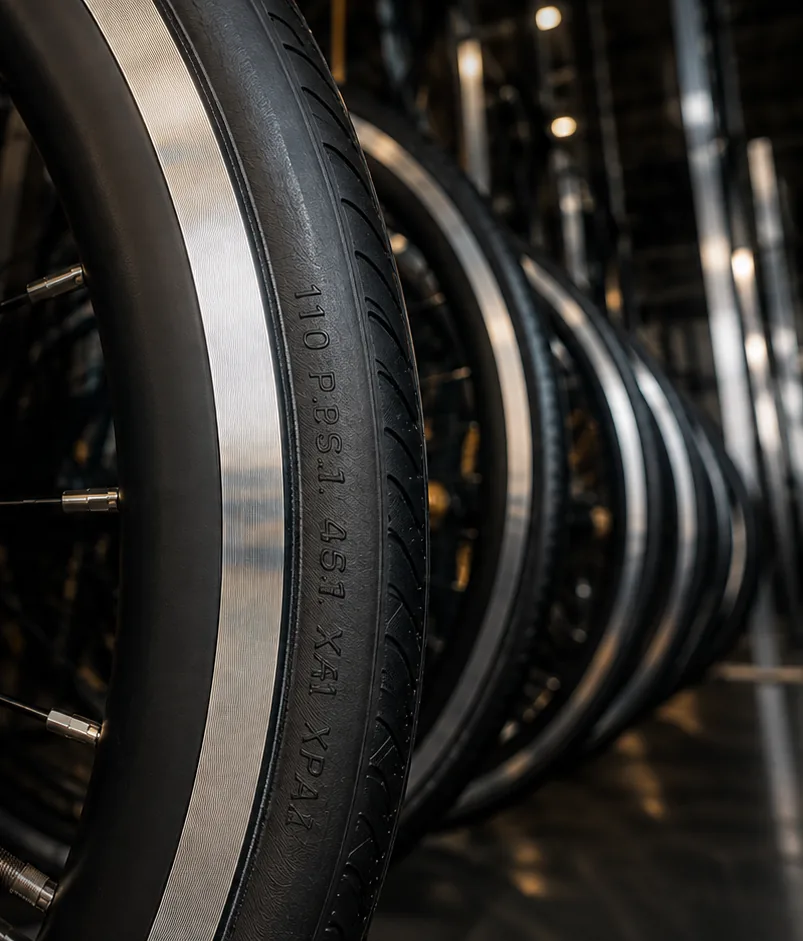
Designed for them.
Light. Simple. Safe.
Single chainring, 114 mm cranks and a chain guard built for young riders.
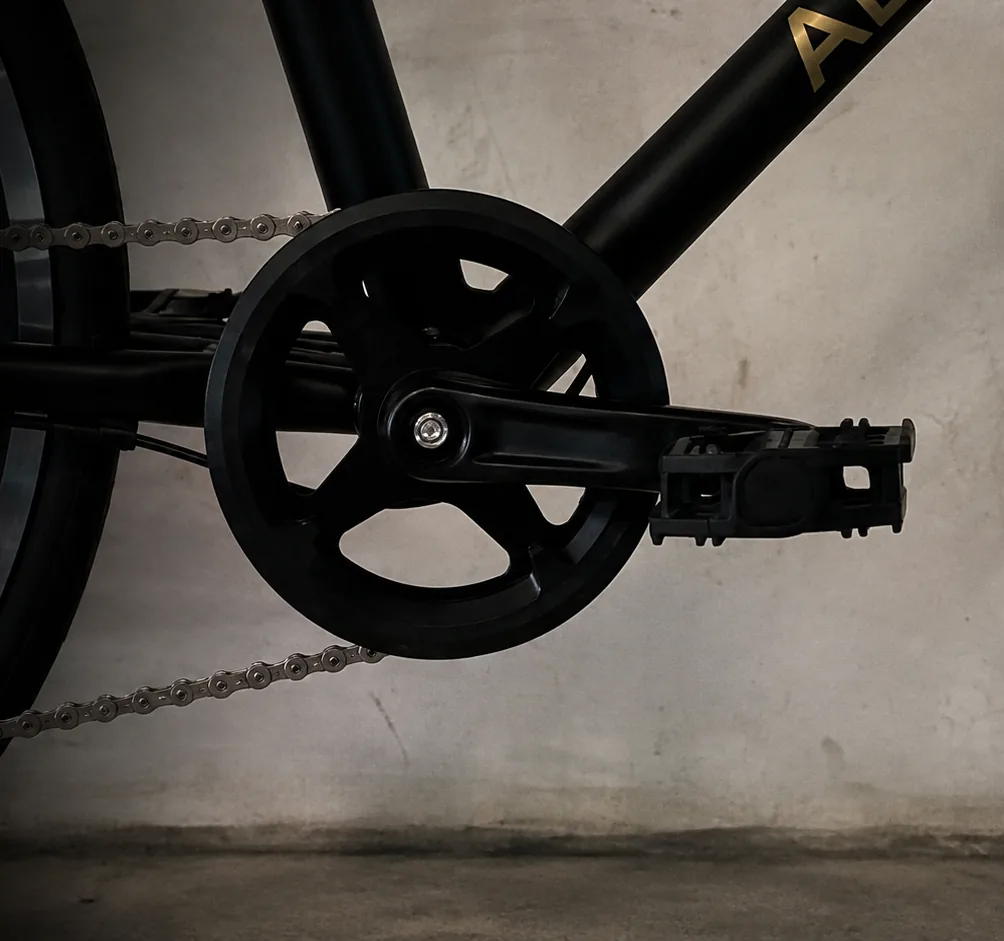
Simple by design.
Shimano. Reliable. Efficient.
Just one chainring. Less complexity, no unnecessary cross-chaining, just the right gears.
✦Single chainring — Zero cross-chaining
✦Shimano — Proven reliability
✦Simple drivetrain — Easy maintenance
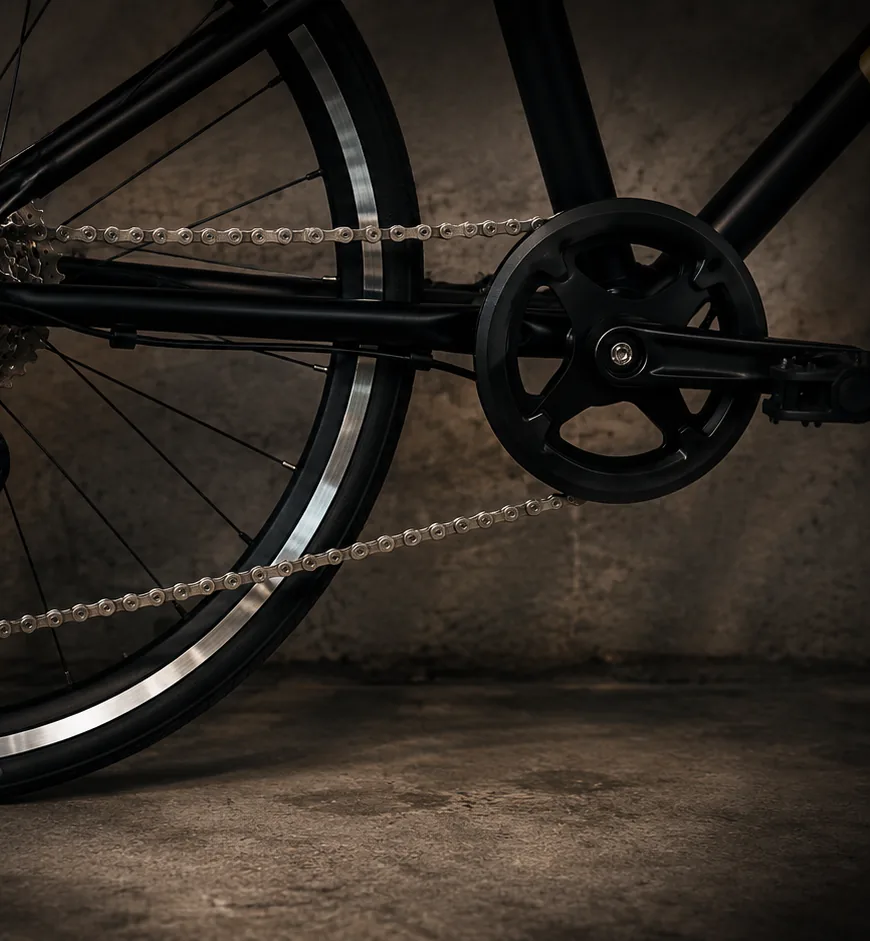
Piece by piece.
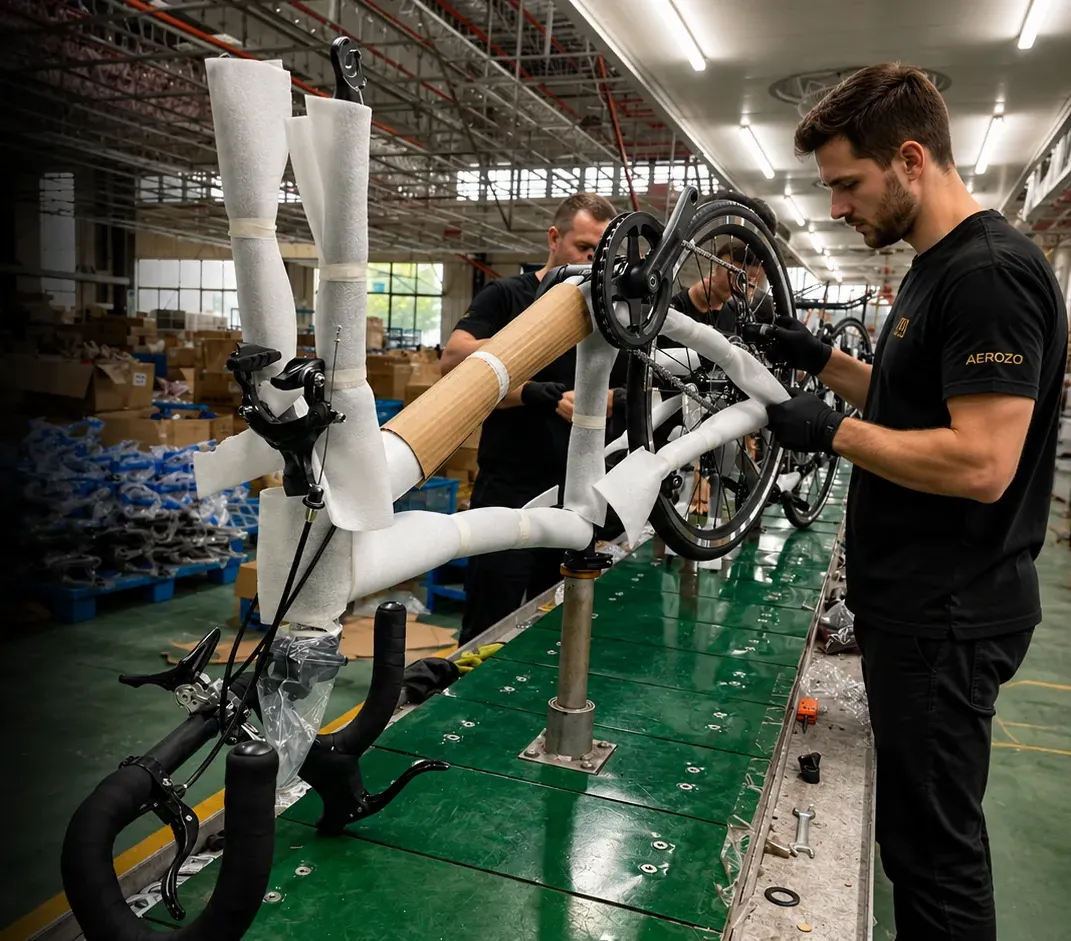
It comes to life.
The frame is ready. Now comes assembly.
Drivetrain, brakes, cockpit, wheels: every component finds its place.
A bike engineered down to the detail finally becomes an AEROZO.
✦Assembled
✦Adjusted
✦Checked
Every gram
counts.
Weight is one of AEROZO's== obsessions.
Every choice, every part, every detail is designed to strike the right balance between lightness, reliability and performance.
✦Lightness
✦Reliability
✦Performance
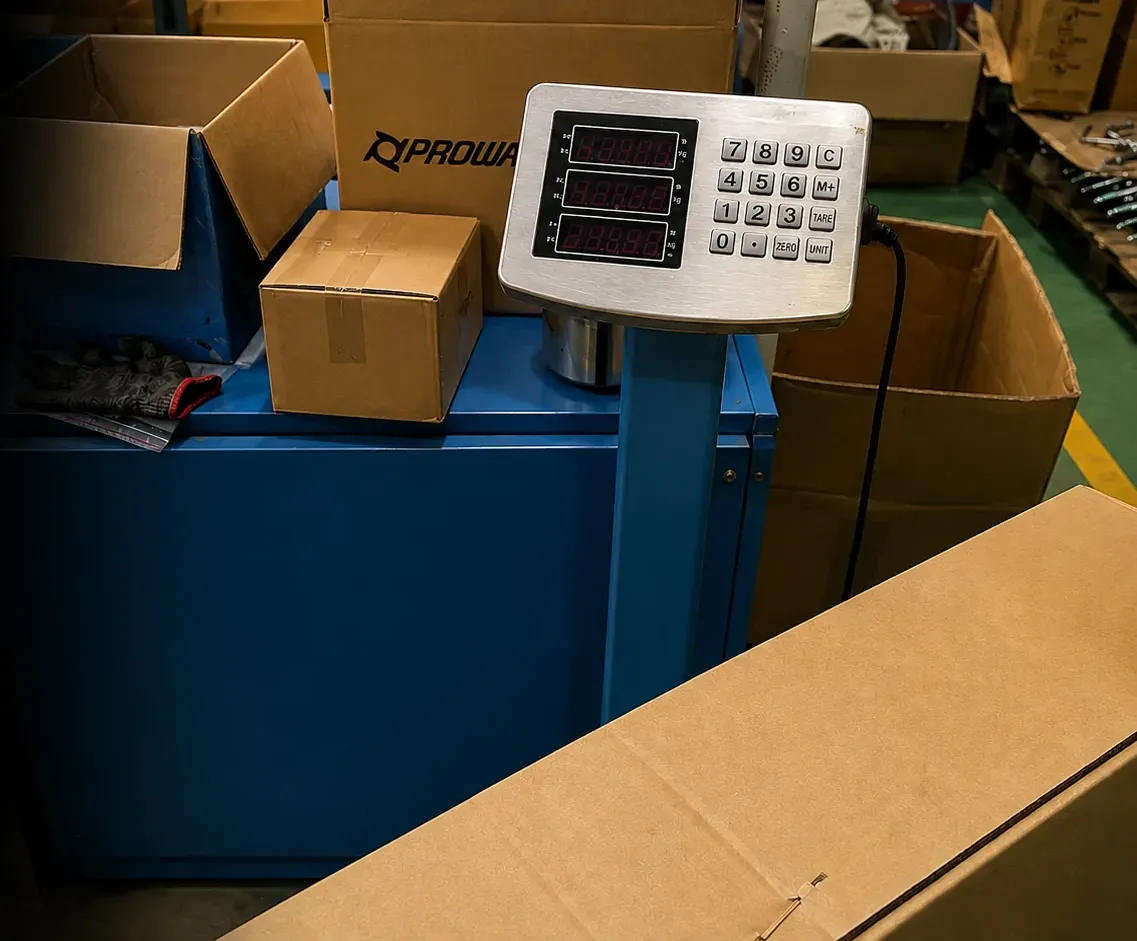
Ready to ride.
Everything's covered.
Every AEROZO ships with the accessories and tools needed for final adjustments.
Because the experience starts before the very first pedal stroke.
✦Preparation
✦Equipment
✦Experience
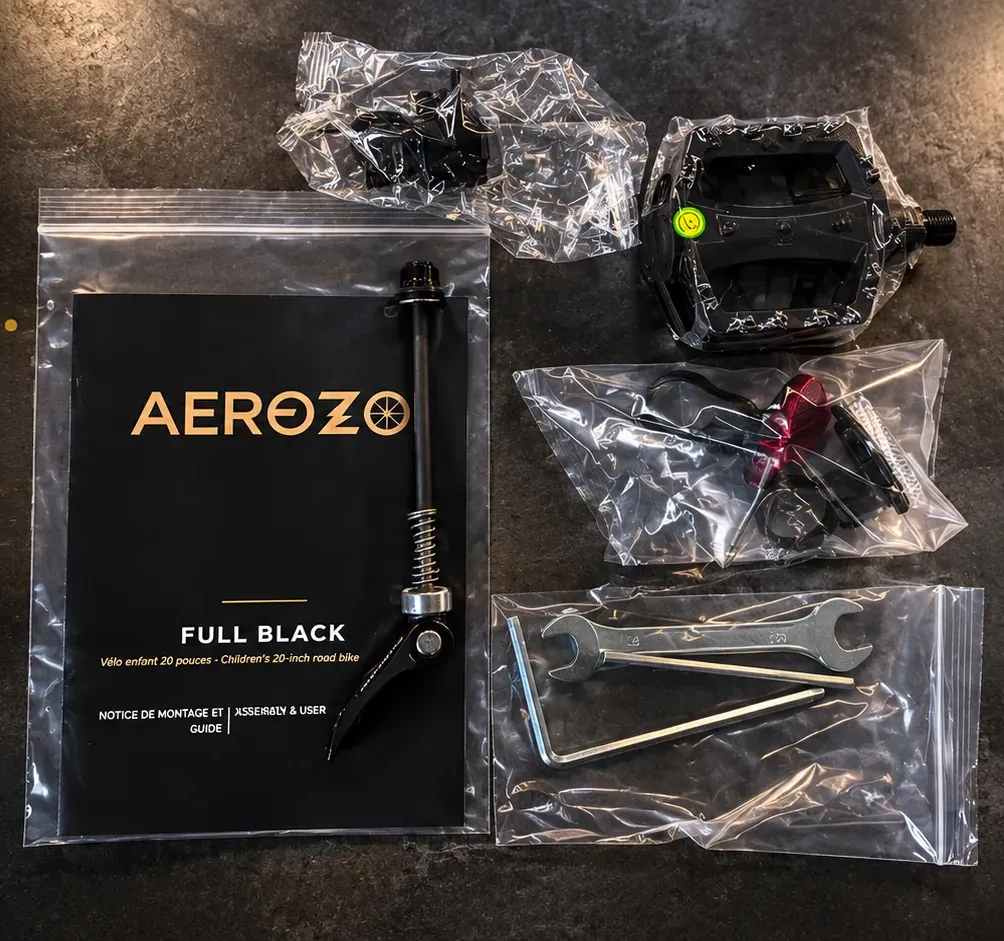
Protected
to the last mile
Ready for the journey.
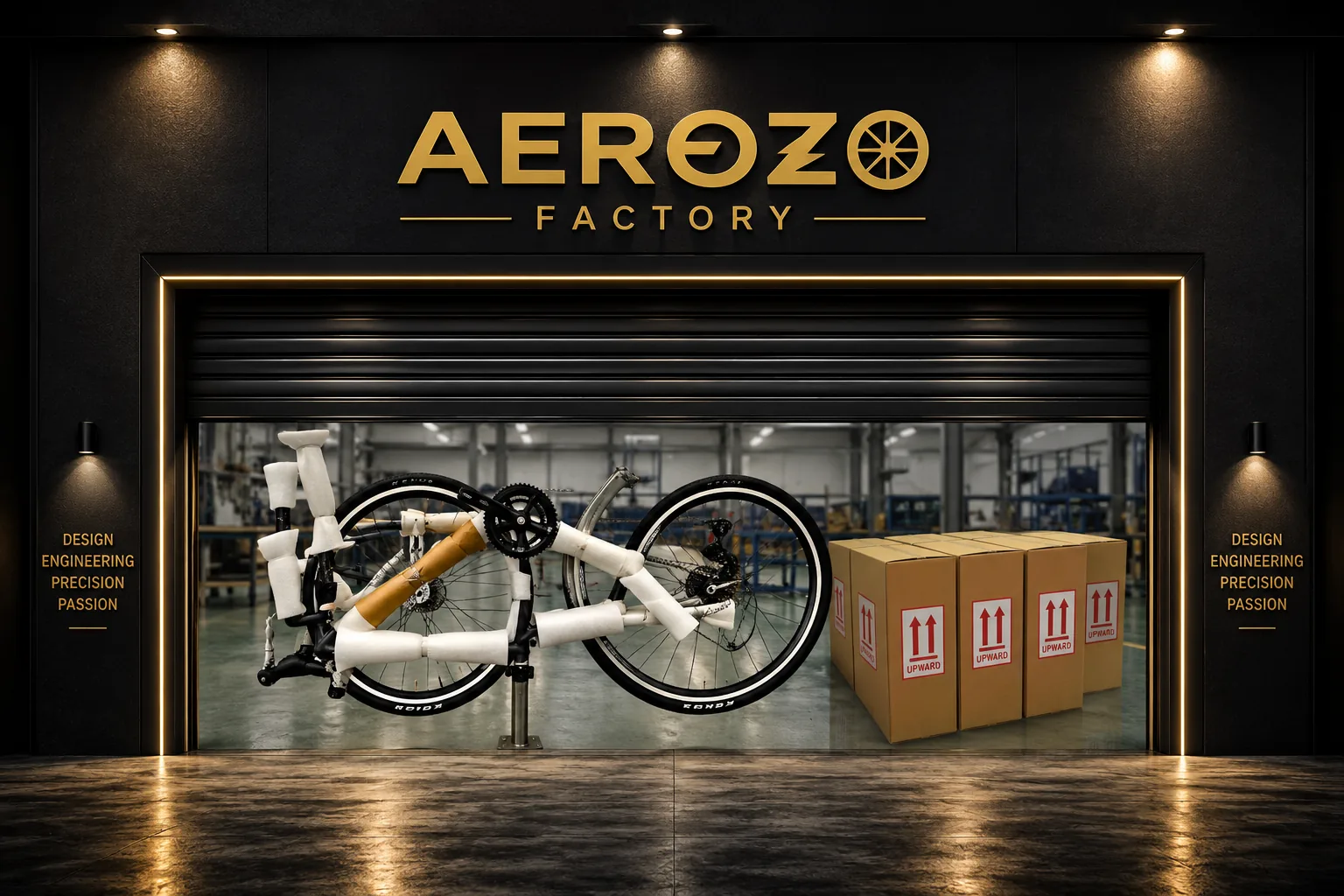
Every sensitive point is protected before leaving the workshop.
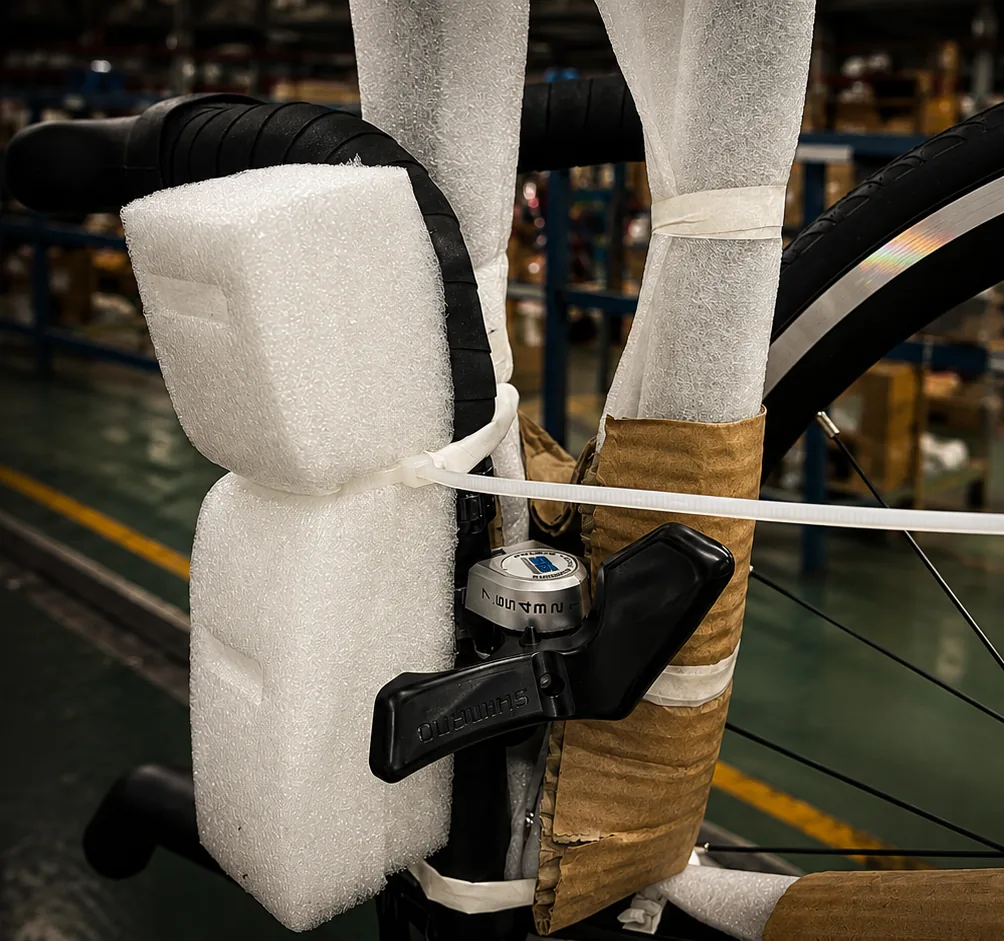
Ready for
the journey.
Every sensitive point is protected before shipping.
Frame, cockpit, drivetrain, wheels: the bike leaves the workshop prepared to arrive exactly as we imagined it.
✦Protection
✦Check
✦Shipping
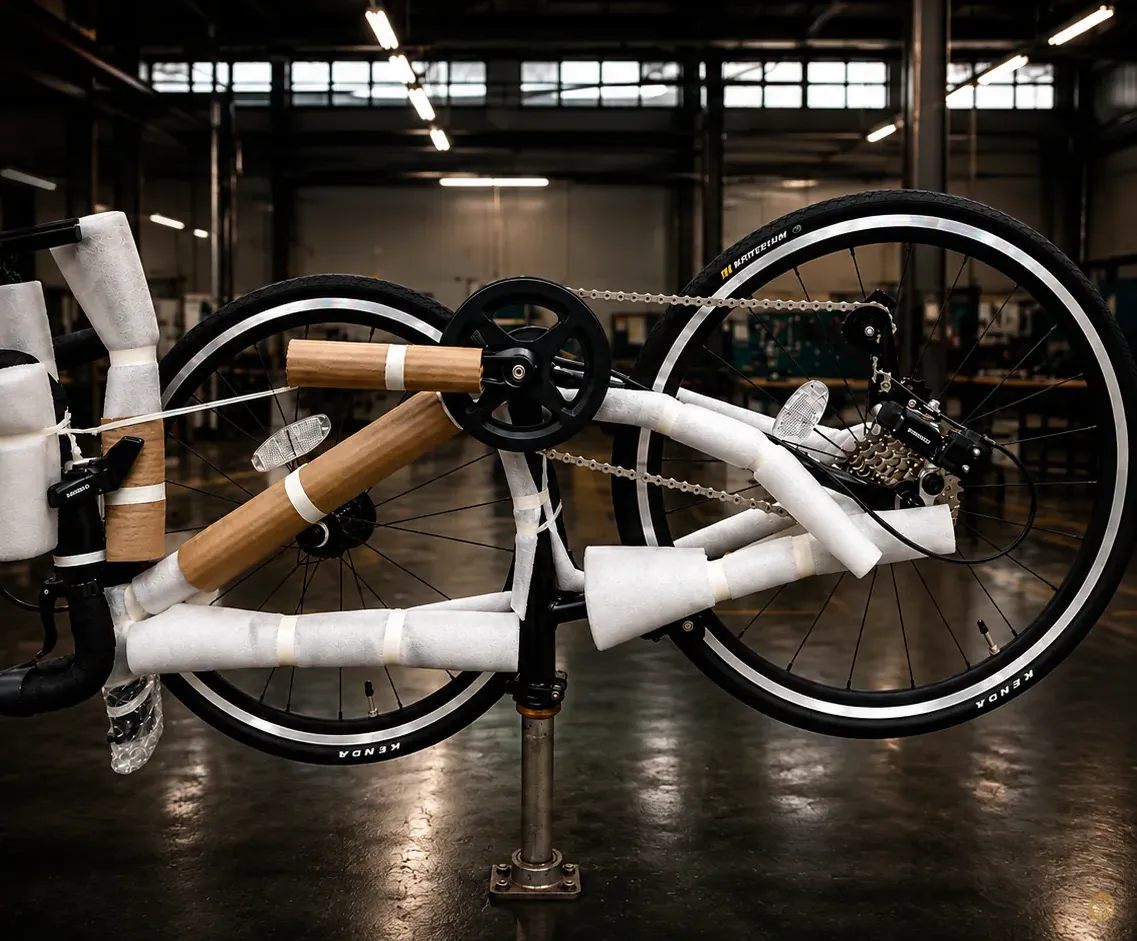
Ready to
hit the road.
From the first sketches to the first bikes. Months of choices, testing and adjustments.
Every AEROZO is now protected and packed to leave the workshop.
The adventure can begin.
✦Protected
✦Checked
✦Shipped
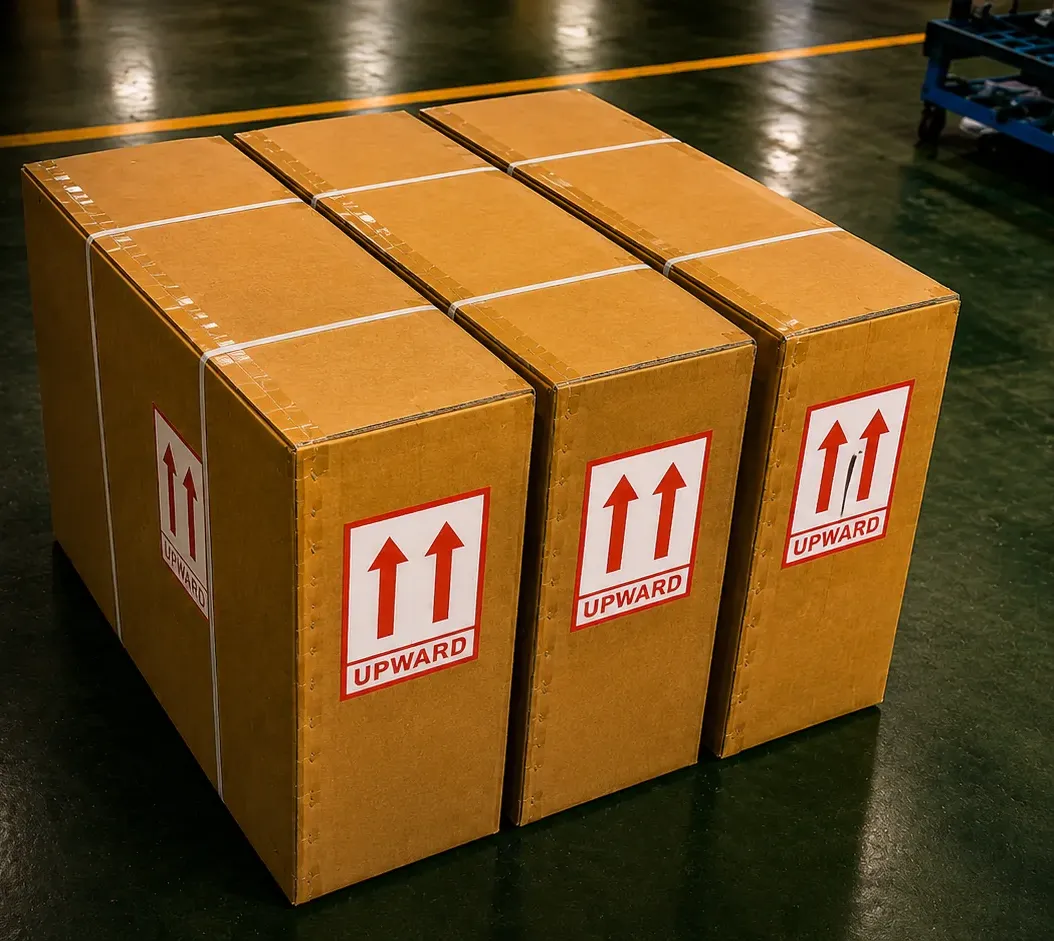
Here it is.
AEROZO is born.
From the first tube to the finished bike.
A vision turned into reality.
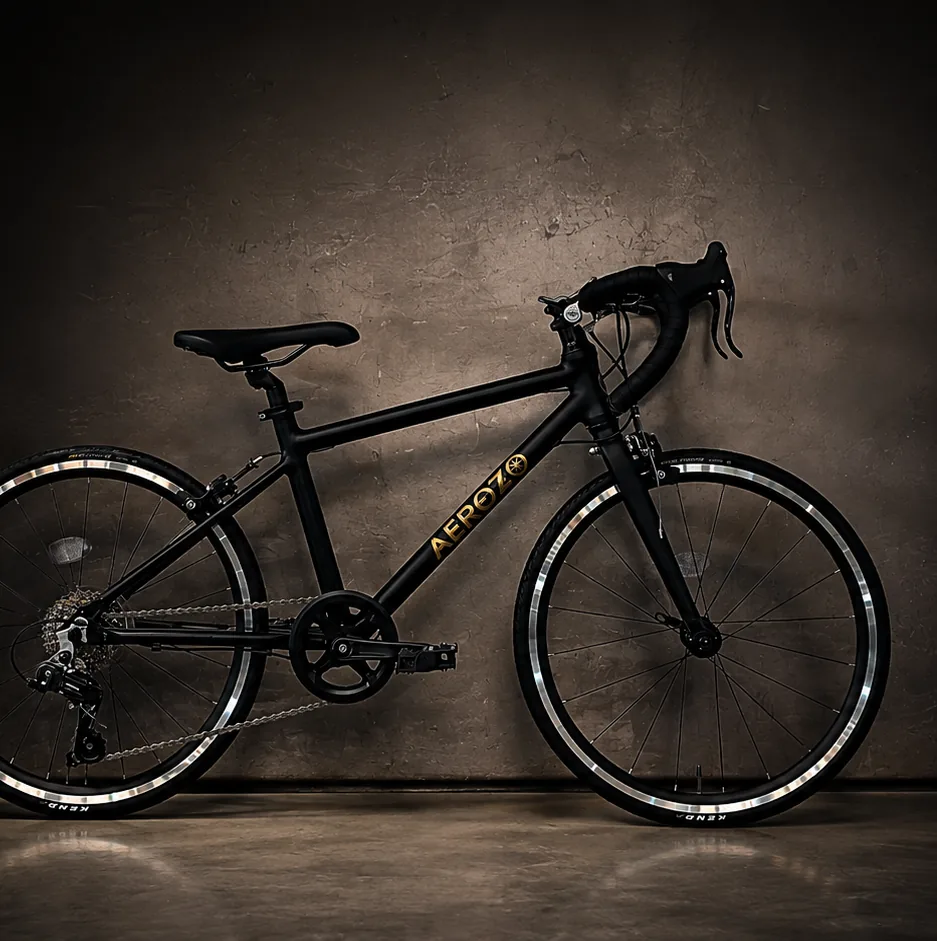
DOOR CONTROL
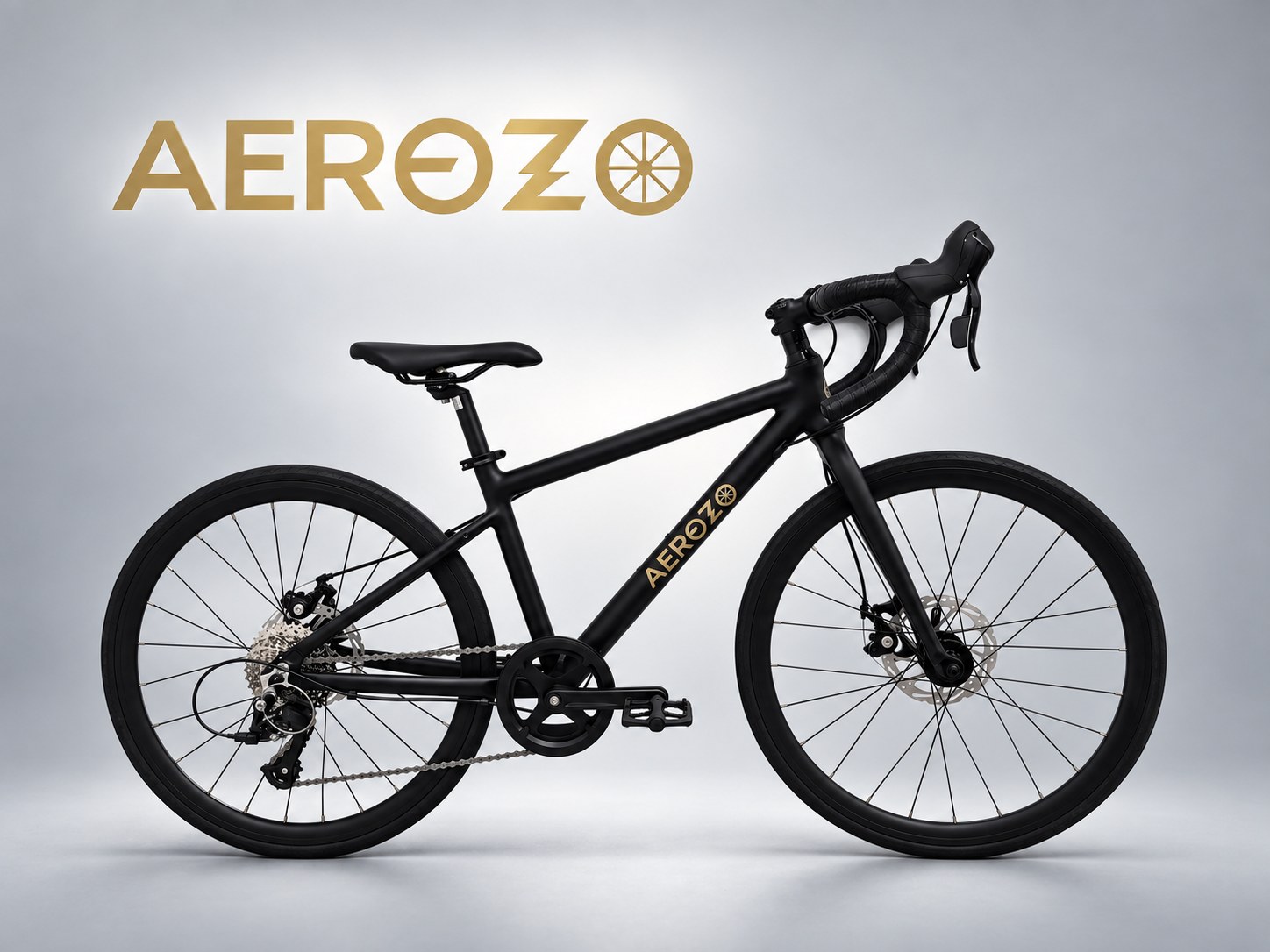
20-inch junior road bike premium
AEROZO develops a 20-inch junior road bike designed for children aged 6 to 9: adapted geometry, controlled weight, reassuring braking and a true road-bike position. The goal is simple: help young cyclists learn properly, progress faster and enjoy riding.
The Bike
Designed to learn.
Made to progress.
Road geometry, dual-control braking and controlled weight: every detail is designed to give young cyclists the right sensations from their first rides.
Discover the bikeAEROZO Clubs
Equip.
Train. Help grow.
A partner program dedicated to clubs and committed families. Access high-end equipment and help build the future with young riders.
Discover the club program
Frequently asked questions
Understanding road cycling junior
Size, biomechanics, safety, drivetrain and learning: the essential answers to choose a true 20-inch children’s road bike designed to learn properly and progress with confidence.
Child biomechanics
114 mm cranks, coherent position and more natural pedaling.
Safety & control
Dual brake controls to keep control from the top of the handlebar.
Mechanical simplicity
Intuitive 1x drivetrain, without unnecessary chain crossing.
At what age can children start road cycling?
Children can discover road cycling from around 6 to 9 years old, provided they are comfortable on two wheels and use a bike truly adapted to their size, inseam and strength.
The goal is not to push children into competition too early, but to give them a coherent bike to learn the right fundamentals: position, lines, braking, cadence and accelerations.
Why choose a true children’s road bike instead of a standard bike?
A true children’s road bike is not a miniature adult bike or a simple children’s bike with drop bars. It must be designed around the morphology of the young cyclist: geometry, cockpit, braking, drivetrain, weight and components.
The goal is to offer a healthy, precise and reassuring riding feel. A bike that is too heavy, too long or poorly proportioned makes learning harder, creates unnecessary fatigue and can damage confidence.
What size for a 20-inch road bike?
A 20-inch road bike generally suits children aged around 6 to 9, depending on their size, inseam and confidence on the bike. Age alone is not enough: two children of the same age can have very different needs.
The right size allows children to remain stable, brake correctly, pedal naturally and keep control of the bike without excessive compensation.
Why do 114 mm cranks better respect children’s biomechanics?
Crank length directly influences pedaling motion. On many children’s bikes, cranks are too long compared with leg length: children lift their knees excessively, lose fluidity and experience more stress around the hips and knees.
114 mm cranks allow a more natural rotation, better cadence and smoother pedaling. They help children produce a more fluid effort without forcing a range of motion designed for larger bodies.
What is the purpose of dual braking with additional controls on the handlebar?
Dual brake controls allow children to brake from the hoods, but also from the top of the handlebar. This is a real advantage for learning because young cyclists often ride with their hands on top, in a more natural and reassuring position.
Keeping immediate access to braking improves control, reduces stress and allows children to progress more calmly. They gradually discover the different positions of a road handlebar without losing braking safety.
Why choose a 1x drivetrain on a junior road bike?
A 1x drivetrain greatly simplifies bike use. Children do not have to manage a front derailleur, small and large chainrings, or chain crossing. One control is enough to understand gears and adapt effort.
This simplicity reduces mental load and lets children focus on what matters: line, braking, cadence, balance and enjoyment. It is also lighter, more reliable and easier to maintain.
Why is weight so important on a children’s bike?
For children, bike weight represents a much larger share than for adults. A few hundred grams can already change handling, accelerations, climbs and riding enjoyment.
A lighter bike is easier to control, creates less fatigue and makes children want to ride longer. For young cyclists, lightness is not a luxury: it is a real factor in progression and confidence.
Why is geometry essential on a junior bike?
Geometry defines the child’s position on the bike, stability, responsiveness and ease of handling. Poorly adapted geometry can place children too far from the handlebar, too high, too low or in an unnatural posture.
True junior road geometry must allow a dynamic but controllable position, with an accessible cockpit and healthy handling. This is the foundation for learning properly.
Children’s road bike or children’s race bike: what is the difference?
In everyday language, many parents say children’s race bike to describe an efficient, lightweight bike made for road riding. The term children’s road bike is more precise in cycling language.
AEROZO brings both intentions together: the desire for a true 20-inch race bike, with the technical coherence of a junior road bike designed for children.
Is a children’s road bike only for racing?
No. A junior road bike can be used for discovery, family rides, club training or first sporting experiences. Performance is not the only goal: enjoyment, confidence and learning are essential.
A good bike simply gives children better sensations and the desire to ride more often.
Join the AEROZO universe